
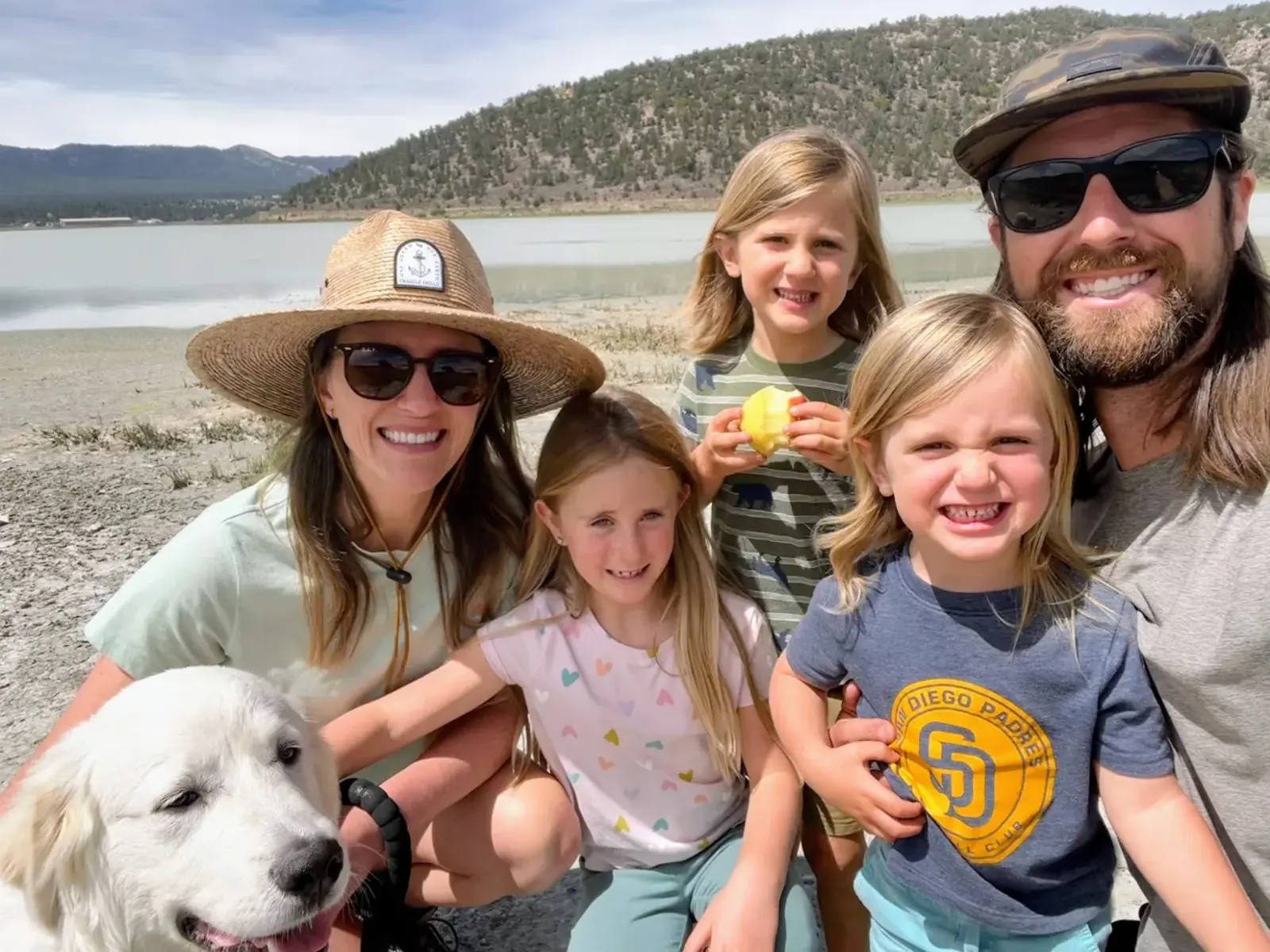
Trooper was our Great Pyrenees puppy. He was supposed to grow up at Tradewinds Ranch alongside our children, roaming these two acres, watching over our animals, and, if Great Pyrenees instinct had anything to say about it, spending his days protecting everything he considered his.
He never got the chance. Trooper died after ingesting snail poison that had been left uncovered at a neighboring farm, and what happened to him broke our family’s hearts even as it changed the way we would farm forever.
It Started With a Visit to Our Neighbor
That morning, we walked over to visit an elderly neighbor, bringing fresh herbs for her and vegetable scraps for the farm animals. Our daughter wanted to see the turtles that lived near the front porch, something our children had done many times before, and Trooper went along with her. Nothing about the visit seemed dangerous.
A few hours later, something was very wrong. Trooper became shaky and unsteady, and within minutes his condition deteriorated. He could barely stand, and then the seizures began. We raced him to the veterinarian with no idea what he could possibly have gotten into. Then we remembered the bucket.
We Thought It Was Turtle Food
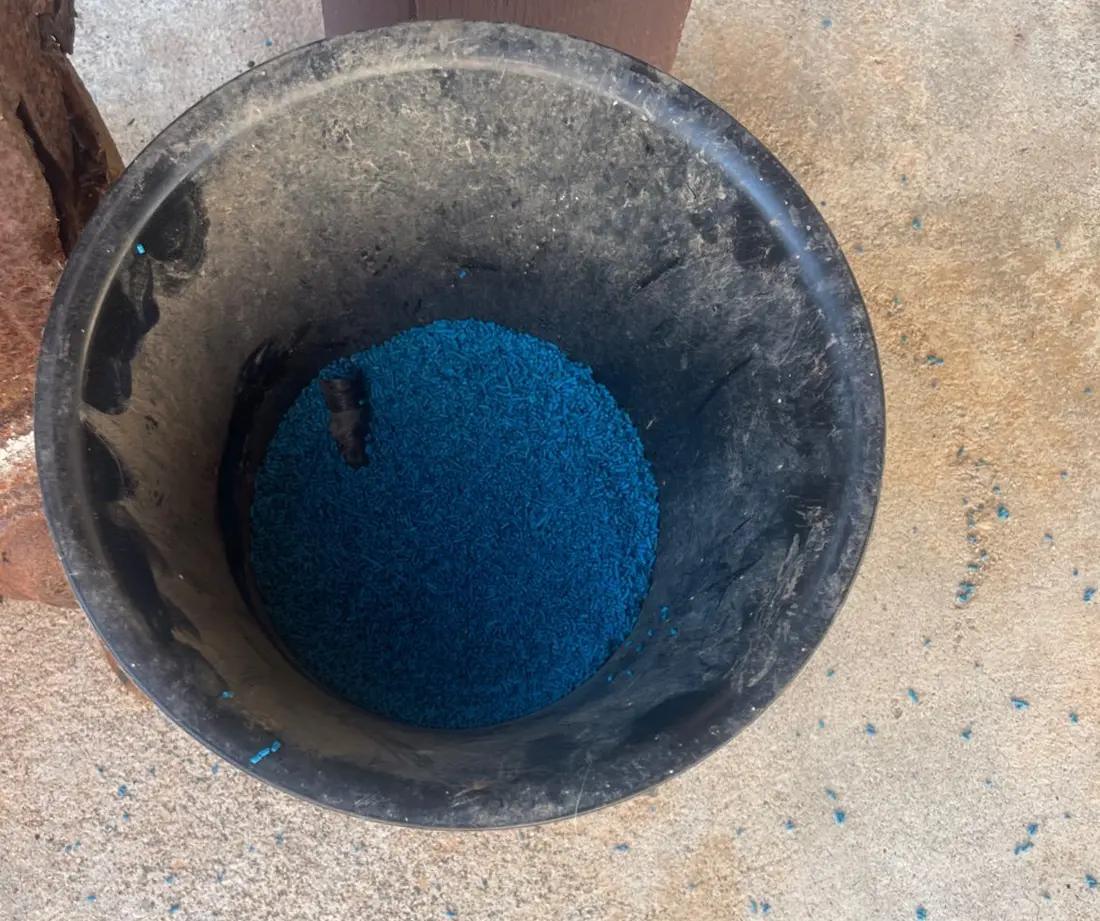
Near the turtles sat an open planter bucket filled with tiny, brilliant blue pellets. There was no lid and no barrier of any kind, and it sat right beside the turtles and the spot where our children came to visit them. When we had noticed it that morning, we assumed it was some kind of turtle food. It was snail poison.
The veterinarian found the same blue material in Trooper’s stool and fluids and confirmed that it was causing his symptoms. As the horror of what was happening to him set in, so did another realization. Our three-year-old visited those turtles too, and the poison did not look dangerous at all. It looked like bright blue play sand.
Six Hours
The veterinary team fought for Trooper for about six hours as the seizures came, relentless and unyielding. They tried to stabilize him enough to transfer him to an emergency hospital, but his condition kept slipping. Eventually the veterinarian told us his chances were very small, and that even survival could mean days in emergency care with the possibility of permanent neurological damage.
Steven stayed with him, talking to him about playing tug-of-war and telling him what a good boy he was, and even then Trooper responded. But his body could not overcome what the poison had done to it, and he died that night.
Then Our Kids Woke Up Without Him
The next morning, our boys came into our room the way they always did to let Trooper out of his crate, and then they remembered. That evening, our daughter got ready for bed and instinctively called, “C’mon, Troop Troop,” expecting him to be waiting in the hallway like he always had, and then she remembered too.
Losing him was devastating, and underneath the grief was another feeling that was harder to name. That bucket could have been found by one of our children. The same three-year-old who had sat on the floor with Trooper that afternoon had visited those turtles again and again, and the thing sitting beside them looked like something a child might reach out and touch. We could not stop thinking about it.
Trooper Was Supposed to Be Our Guardian
Great Pyrenees are guardian dogs, and that was part of why Trooper came to Tradewinds Ranch. Someday this big white dog was meant to watch over the animals and children who lived here. For a long time after his death, we could not shake the sense that he already had. Trooper found a danger we did not know existed, and because he found it, our children never would.
We would give almost anything for him not to have paid that price. But realizing that the puppy we intended to raise as a protector may have protected our family in the greatest way possible changes a person, and we will always remember him that way.
Our guardian.
We Started Asking Questions
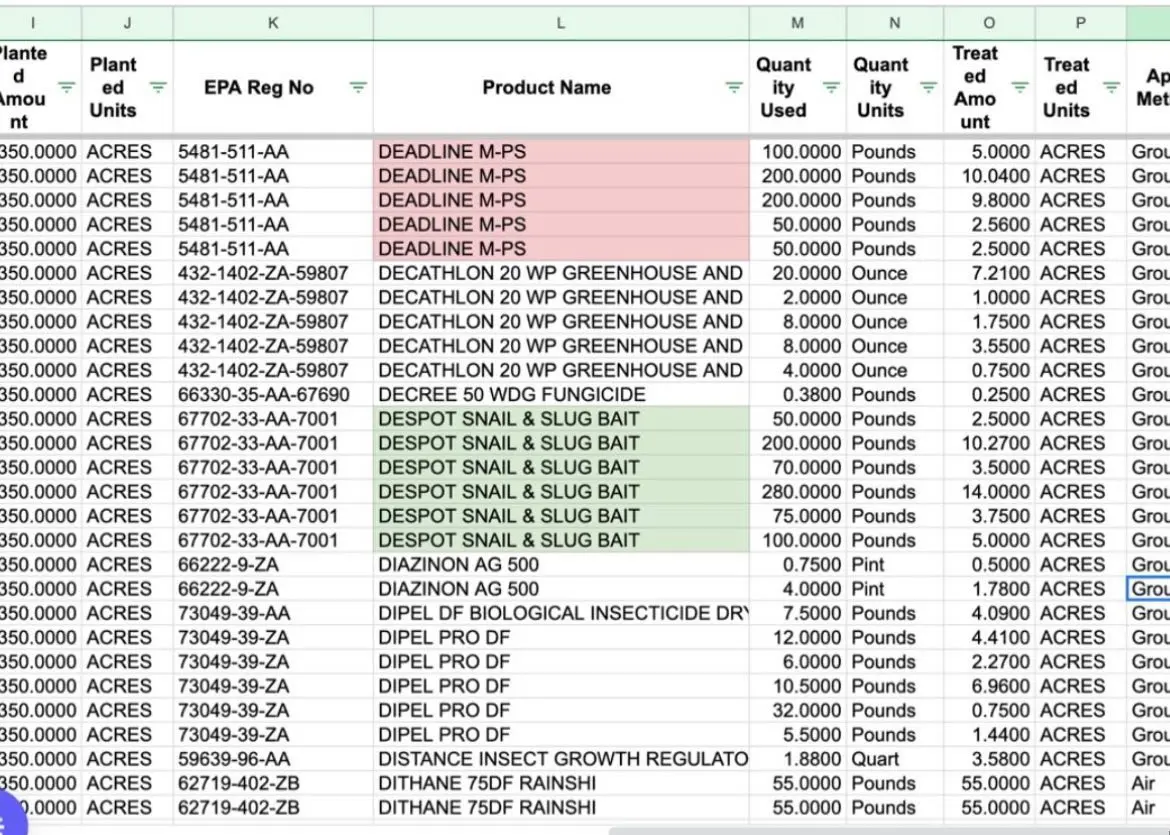
Once the initial shock began to settle, we wanted to understand what had killed him. With help from concerned neighbors, we looked at pesticide-use records and researched the products being used around us. The evidence pointed to metaldehyde snail bait, a pesticide formulated to kill slugs and snails that is also highly toxic when swallowed by dogs and other animals.
We also learned that there were alternatives, and that pushed us toward much bigger questions. Why do we accept poisons around the places where our children and animals live? What happens beyond the pest we are trying to kill, to the soil and the wildlife and the insects, to the water, and to the people working around it? What happens when something goes wrong, and when there is another way, why wouldn’t we choose it?
There is a gentler way
Metaldehyde slug and snail bait was banned for outdoor use across the United Kingdom in 2022, after regulators ruled it posed an unacceptable risk to birds and mammals. Much of the world restricts it. Effective, lower-risk options exist, and many cost less than the poison.
- Iron phosphate baits, safe around pets and wildlife
- Diatomaceous earth
- Crushed eggshell and coffee grounds
- Copper barriers and tape
- Beer traps
- Ducks, birds, and other natural predators
- Wool pellets
- Choosing plants slugs tend to leave alone
Trooper Changed Tradewinds Ranch
We had already cared about how our food was grown, but after Trooper it stopped being an abstract preference and became personal. Our children run through these fields, dig in this soil, and pick fruit straight from the trees. They follow chickens around the yard, feed the animals, hunt for bugs, pull vegetables from the garden, and inevitably put dirty hands somewhere near their mouths. This is where we are raising our children, not simply land we are trying to make productive.
So the question we ask is not only whether something will grow a better crop, but what kind of place we are creating for everything that lives here. That question shapes how we approach soil health, pest management, biodiversity, water, animals, and every new thing we decide to grow. We are still learning, and we will not always get it right, but we will keep asking.
His Death Will Not Be in Vain
In the first 48 hours after Trooper died, the story we shared reached more than 70,000 people. We never wanted that story; we wanted our dog. But if telling people what happened to him leads one family to look differently at the pesticides in their garage, one grower to reconsider a product, or one parent to spot a danger before a child or animal finds it, then it is worth continuing to tell. Trooper was only with our family for a short time, and his impact on it will last for generations.
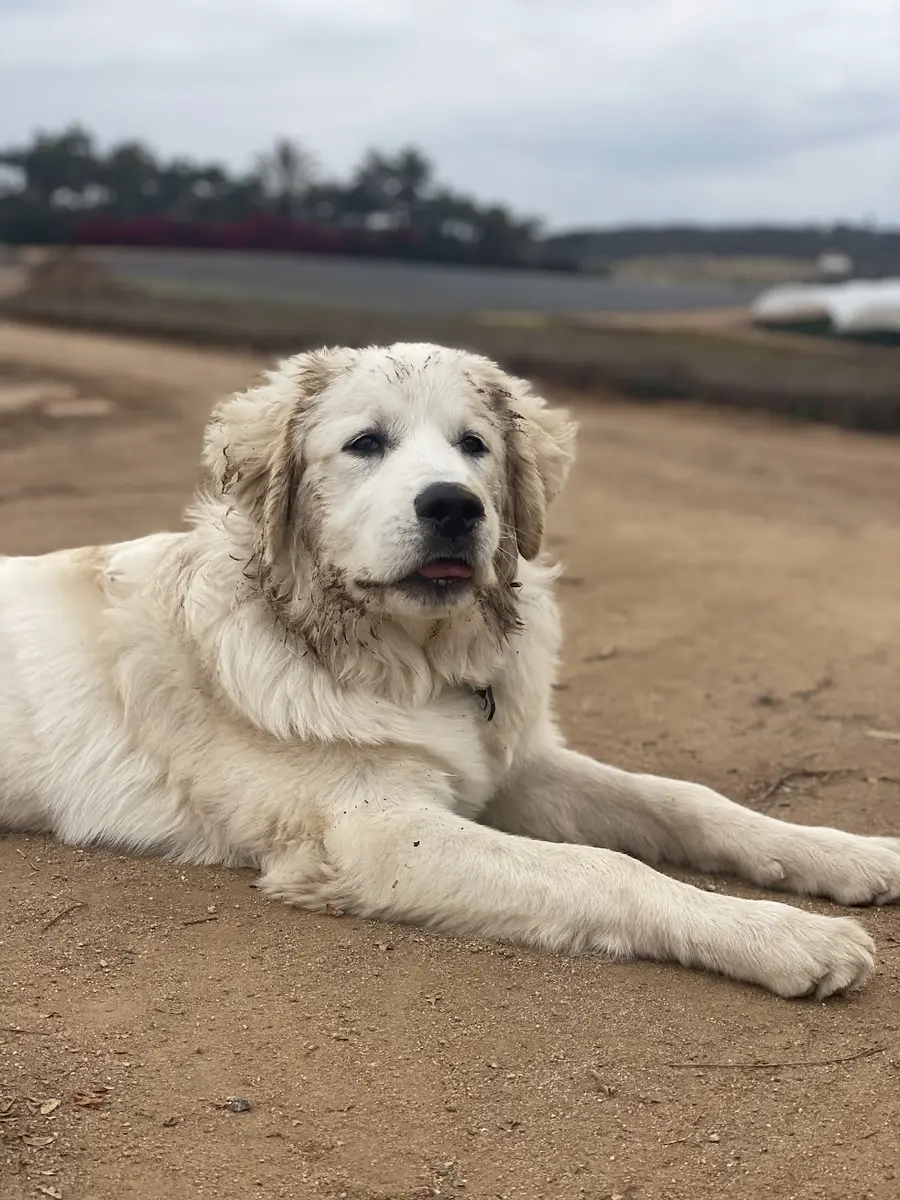
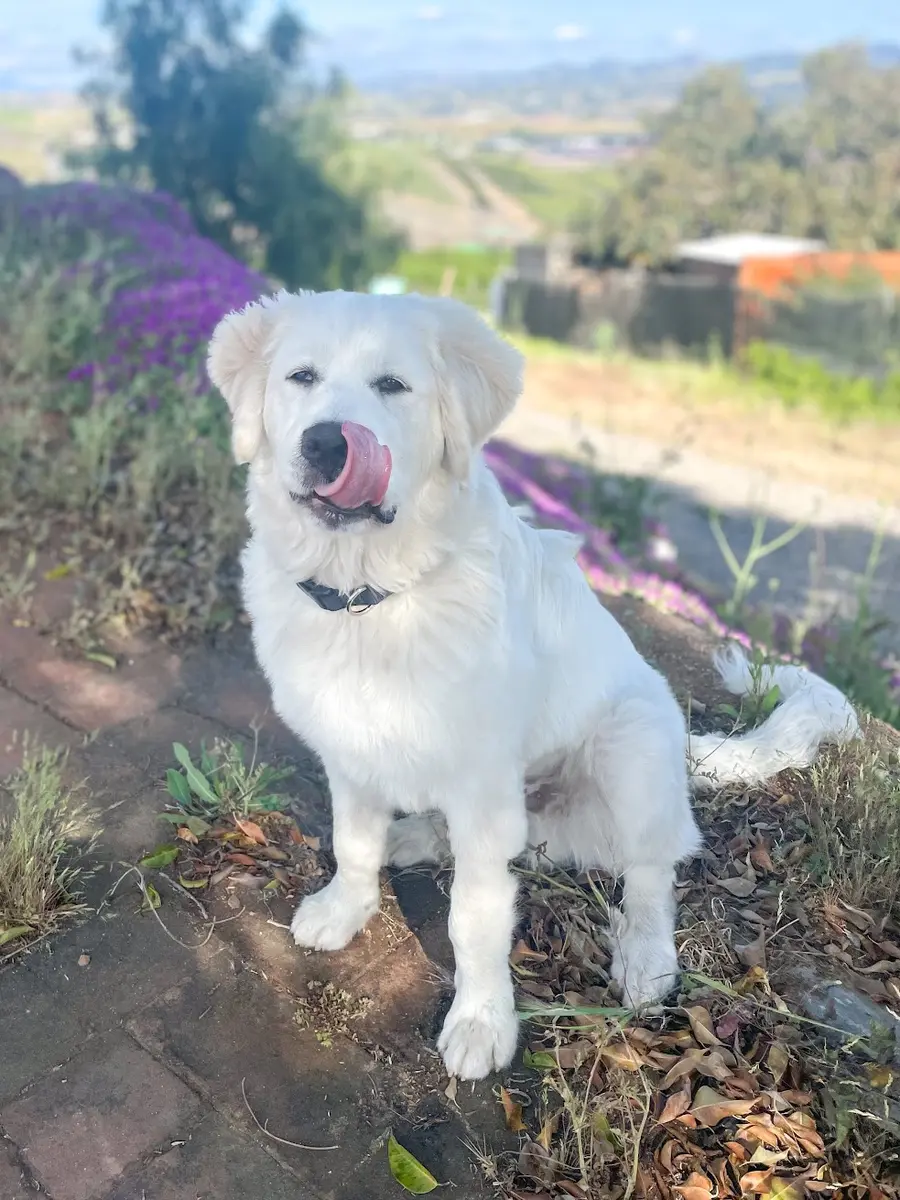
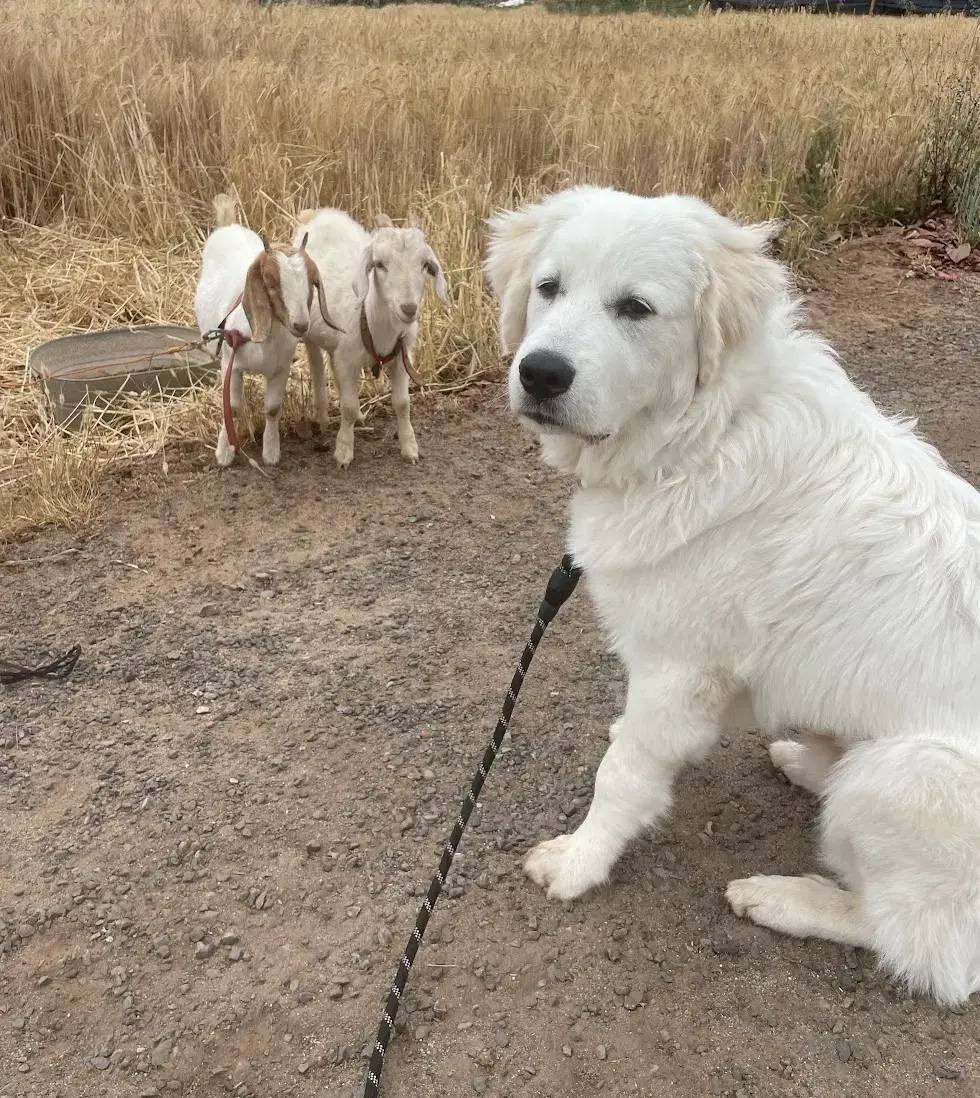
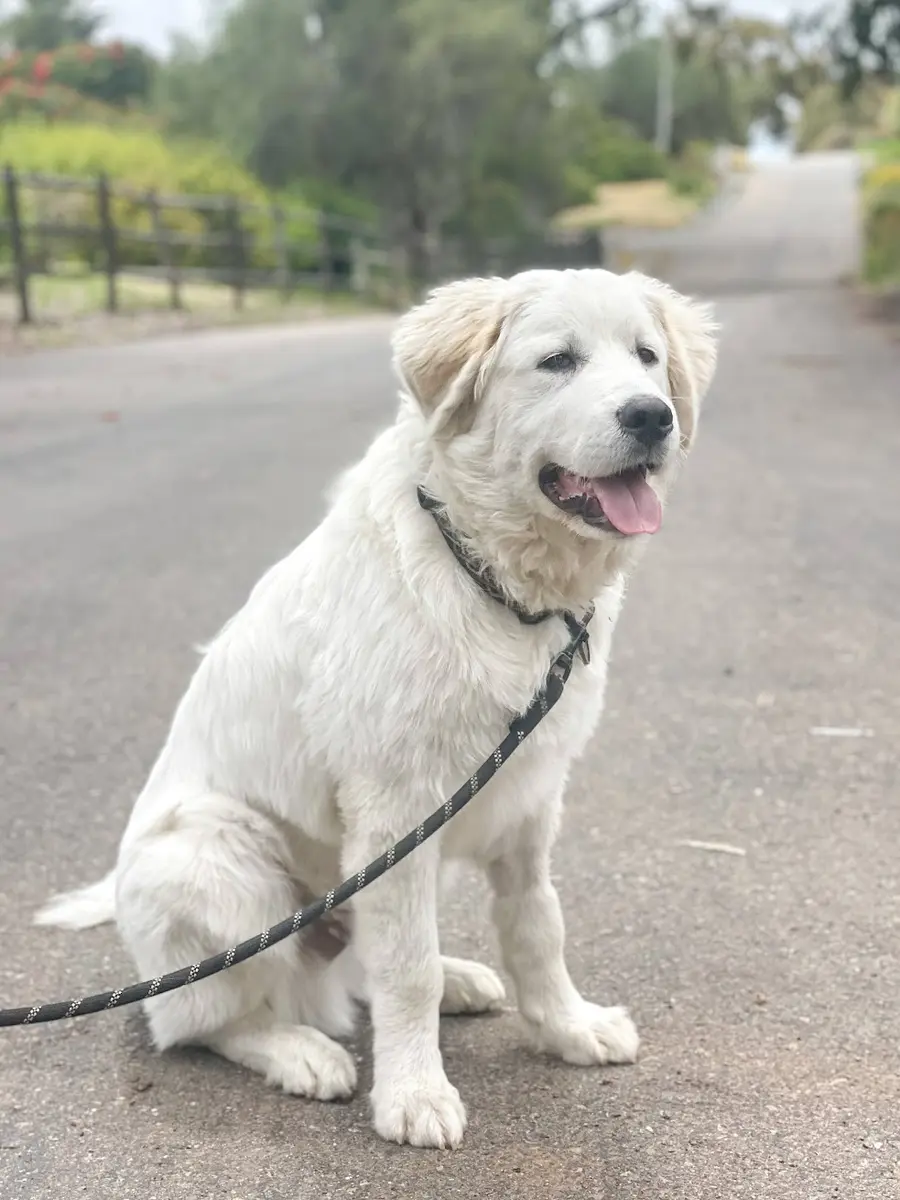
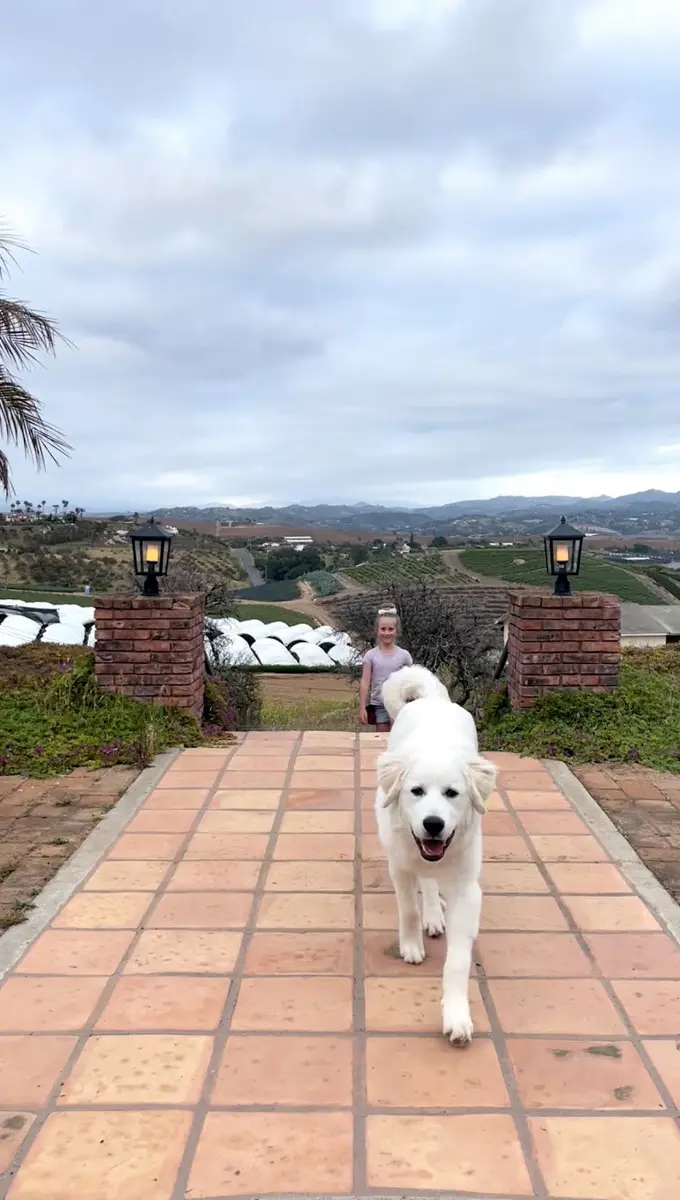
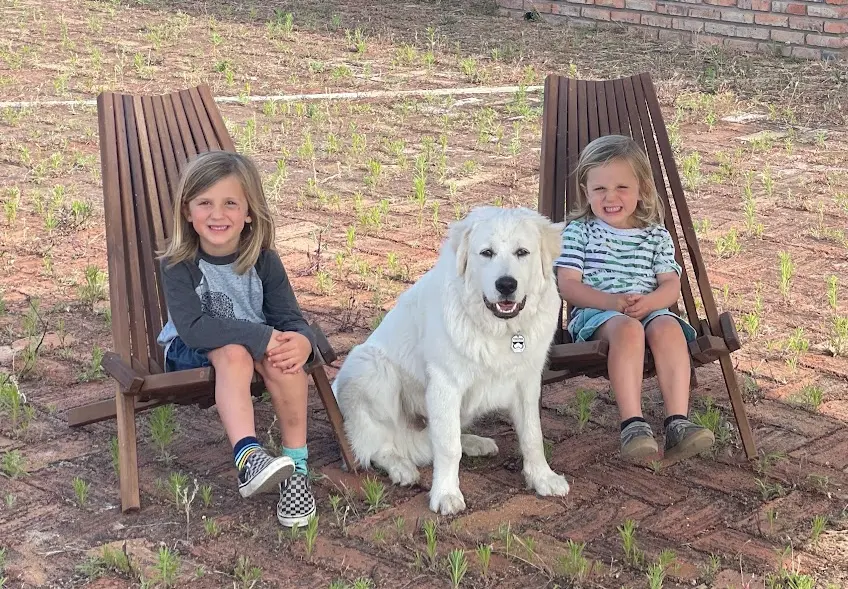
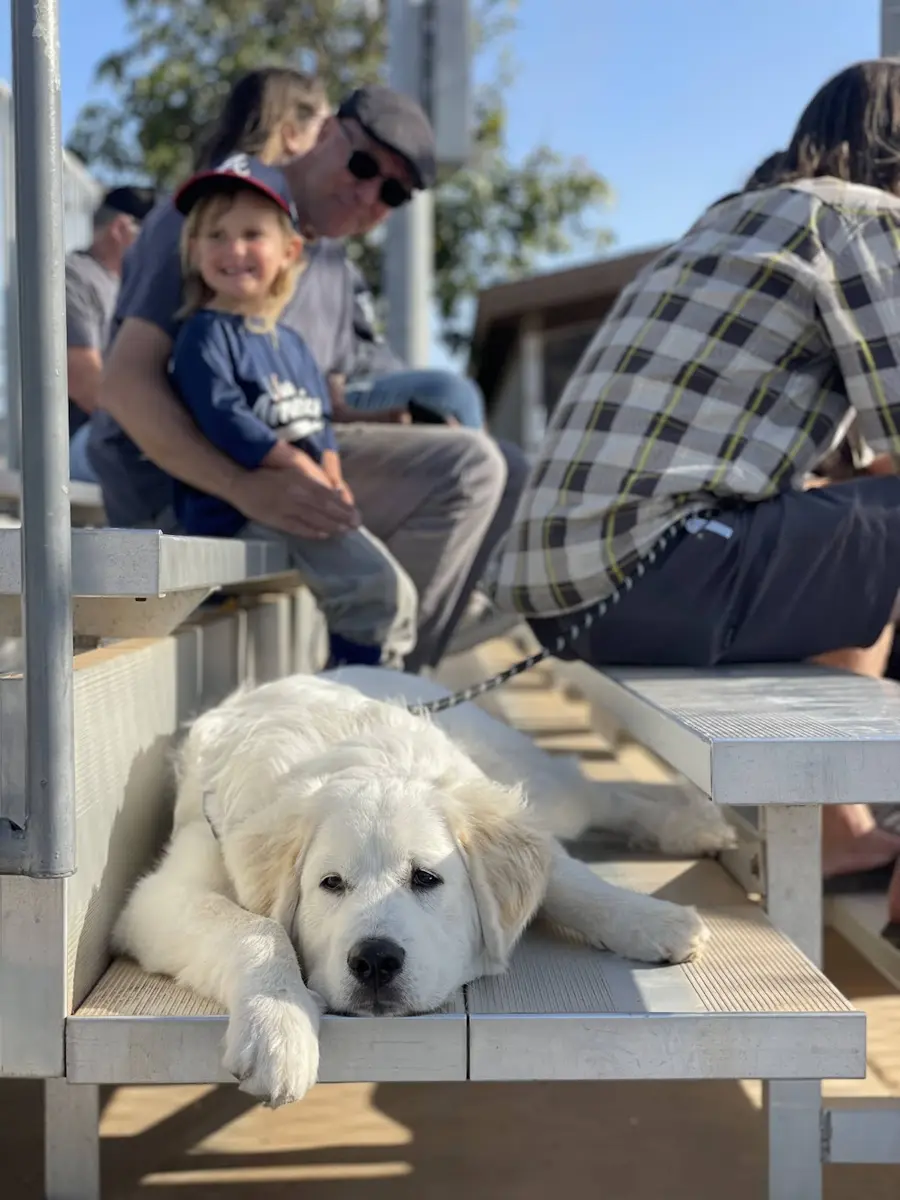
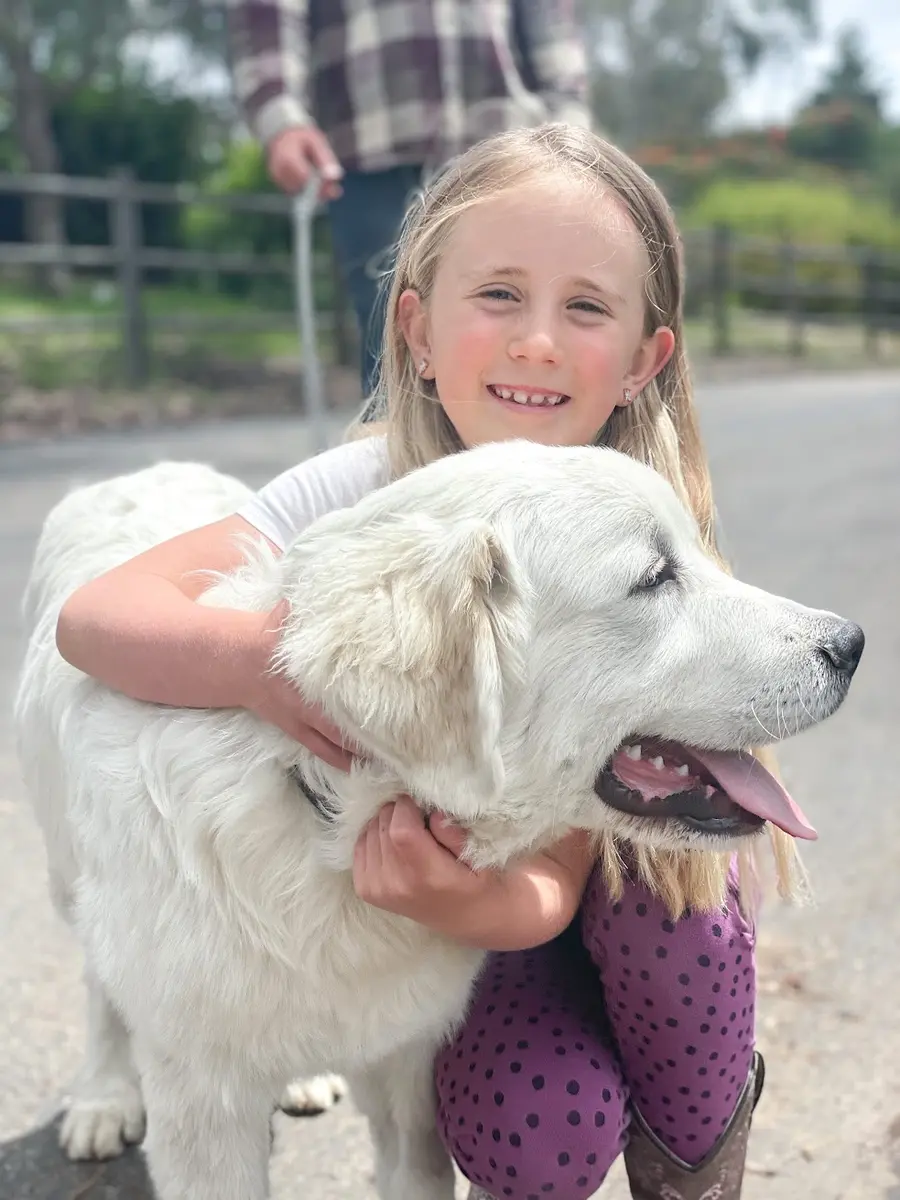
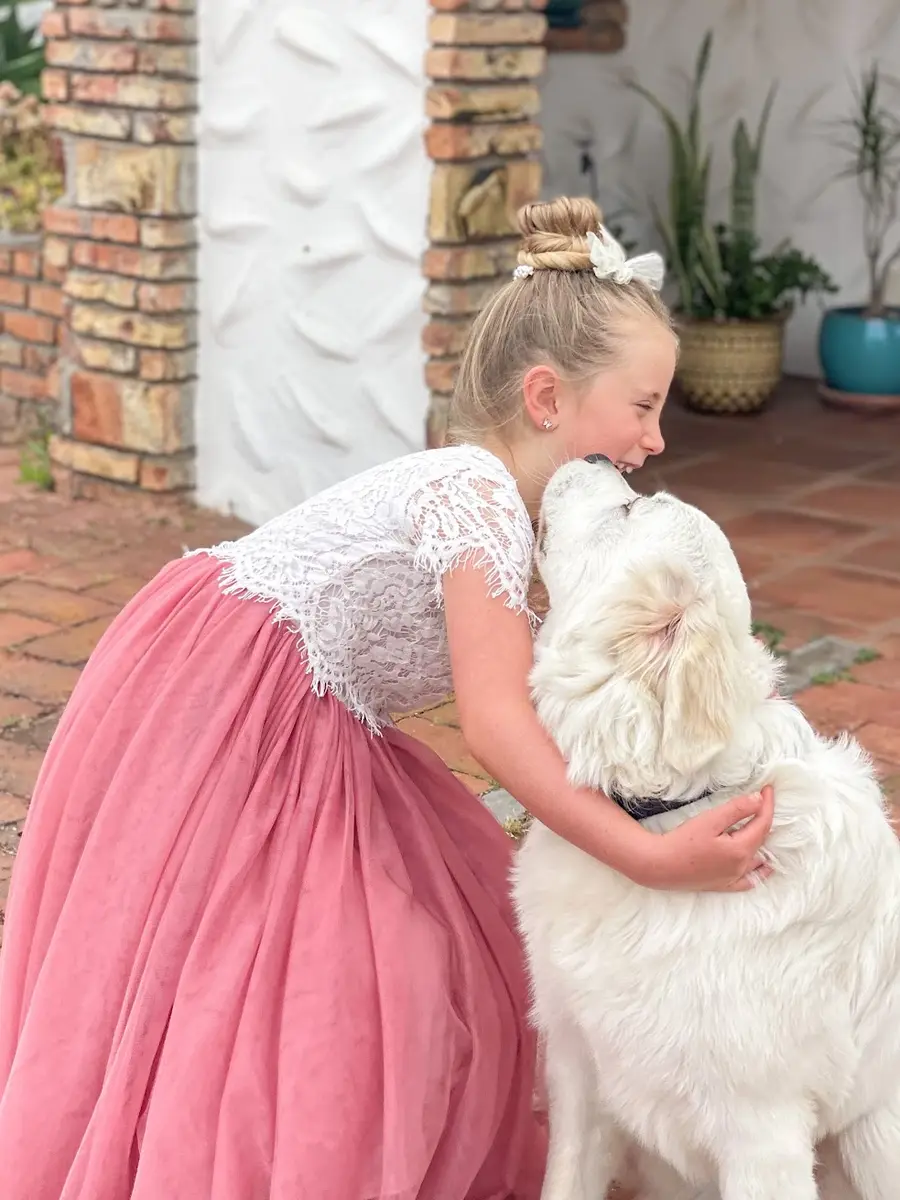
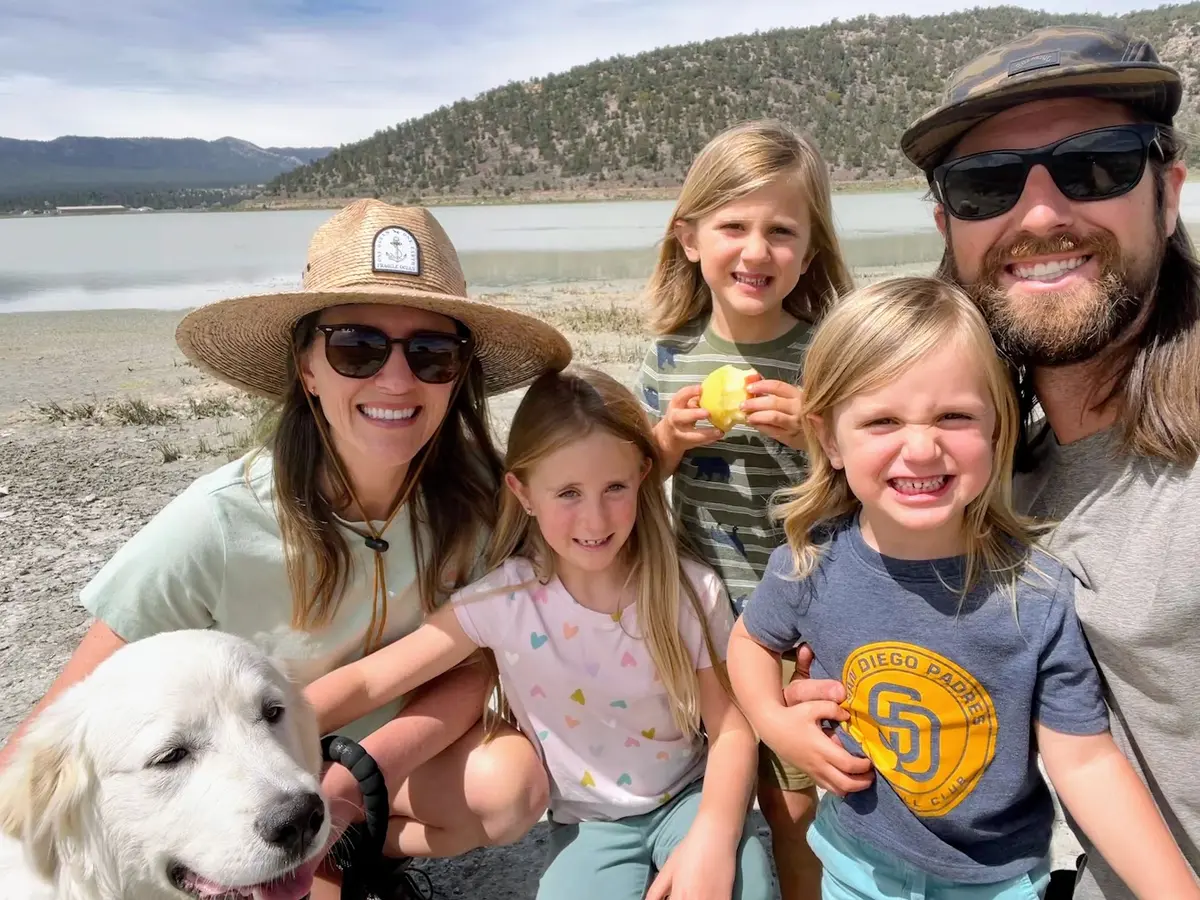
Every time we choose to work with nature rather than reaching first for a poison, every time we ask what is in something before bringing it onto this land, and every time our children run safely through the place we are building here, a little of that traces back to him. Trooper was supposed to grow up protecting Tradewinds Ranch. Instead, he taught us what Tradewinds Ranch should protect.
The Watch Continues
Trooper’s story did not end with him. In the weeks after he died, what happened to him spread far beyond our fields, and a Great Pyrenees breeder in Kansas heard it and was moved with compassion. Several months after we lost Trooper, she gifted our family a puppy. His name is Kylo.
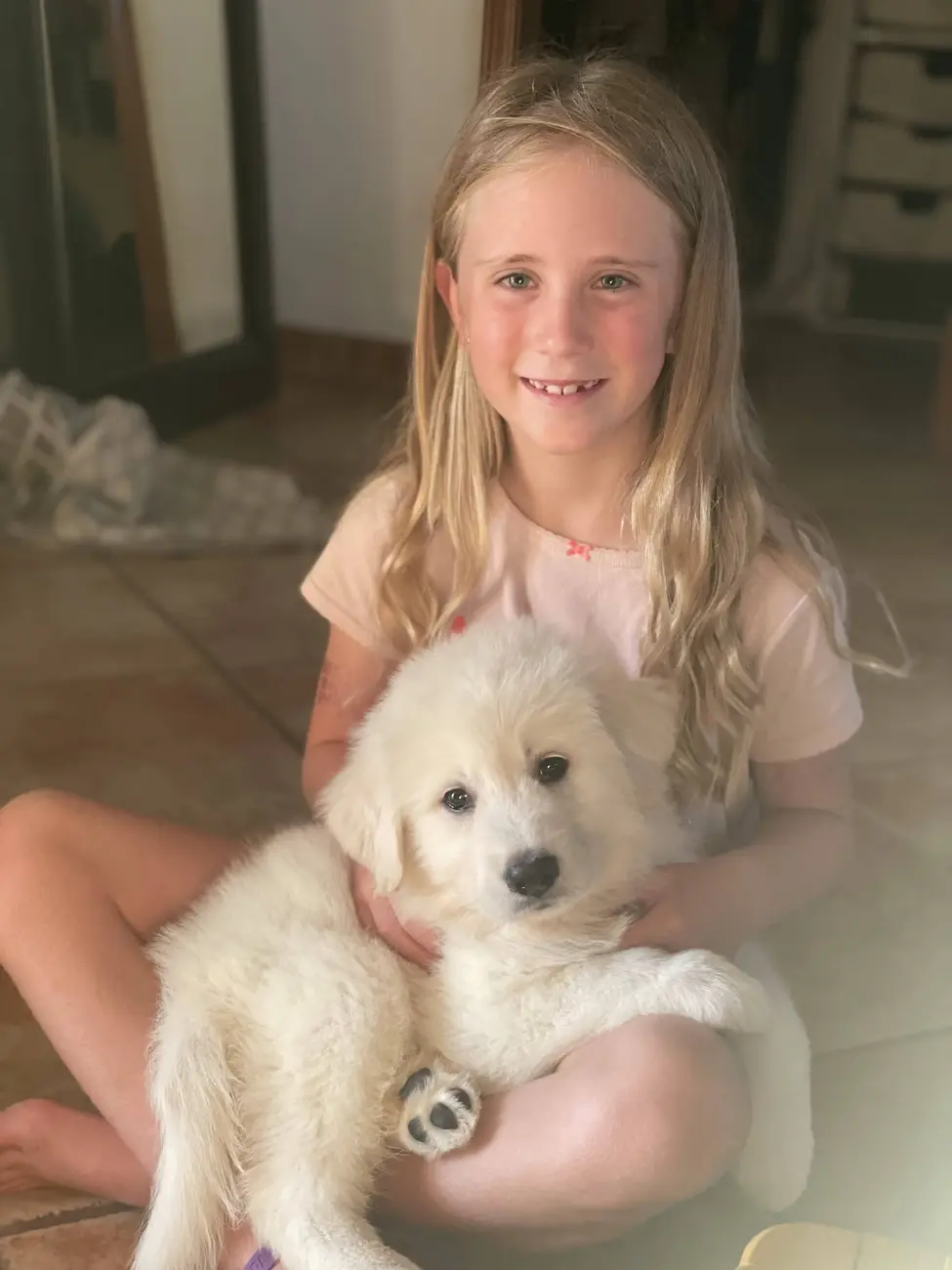
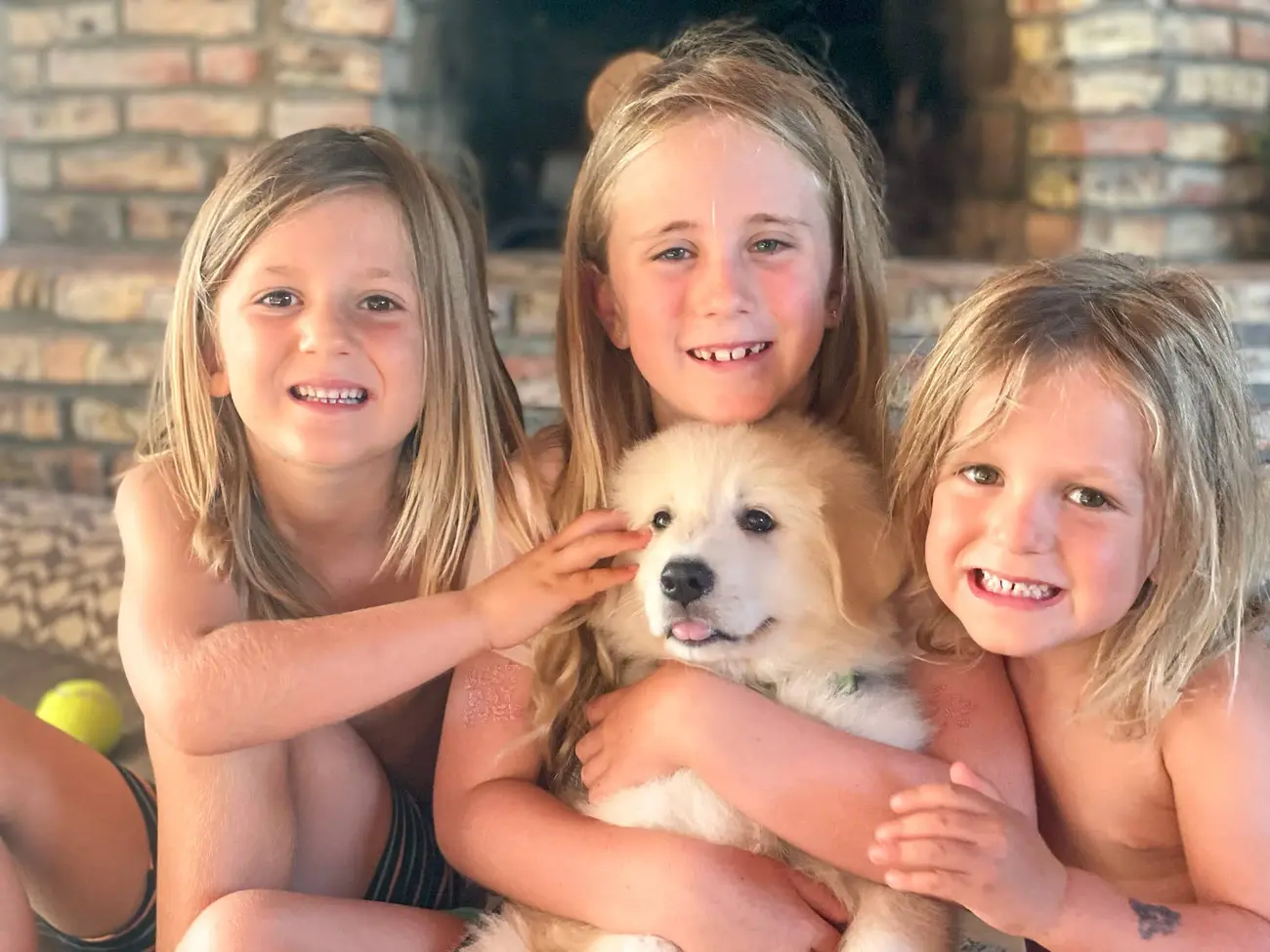
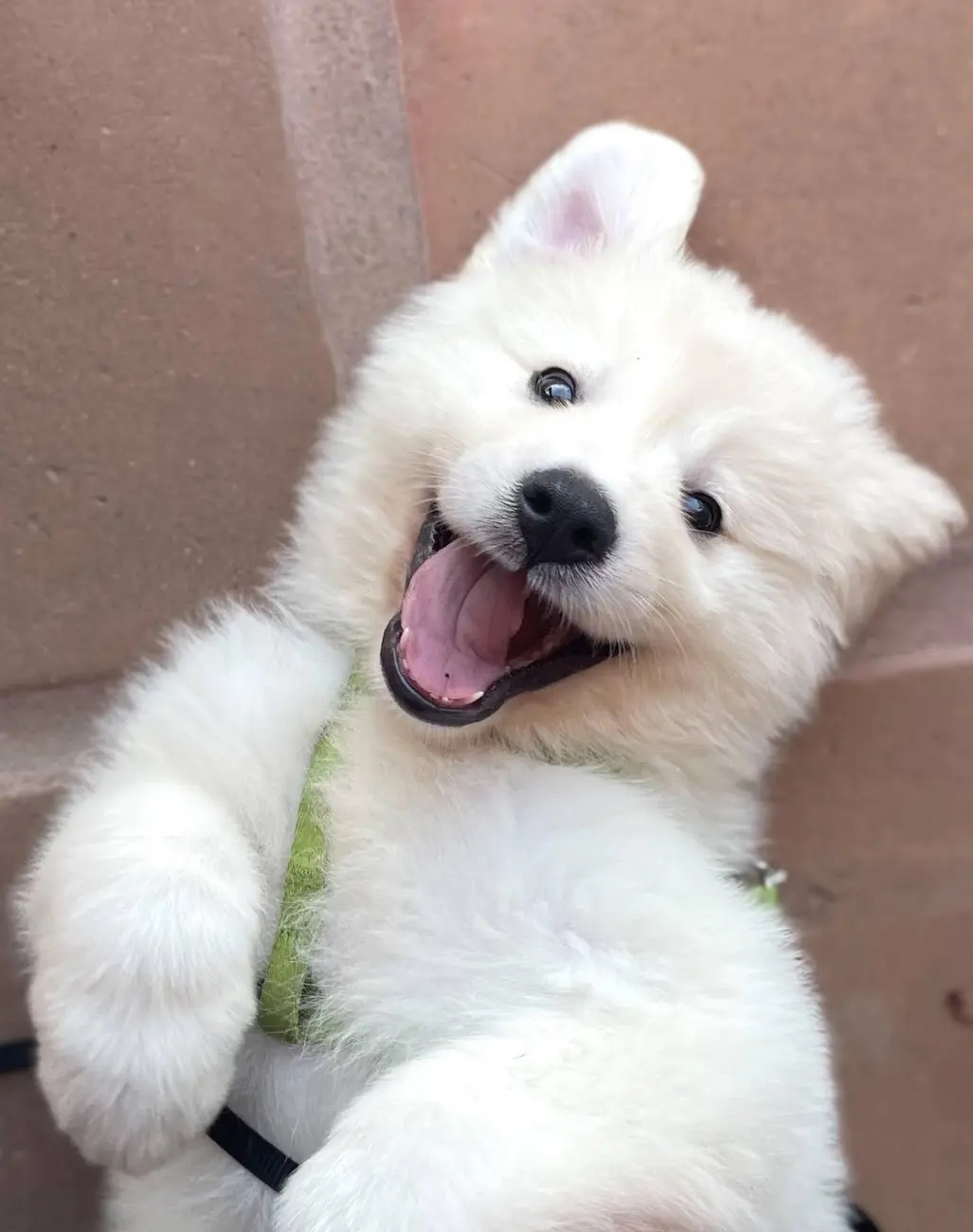
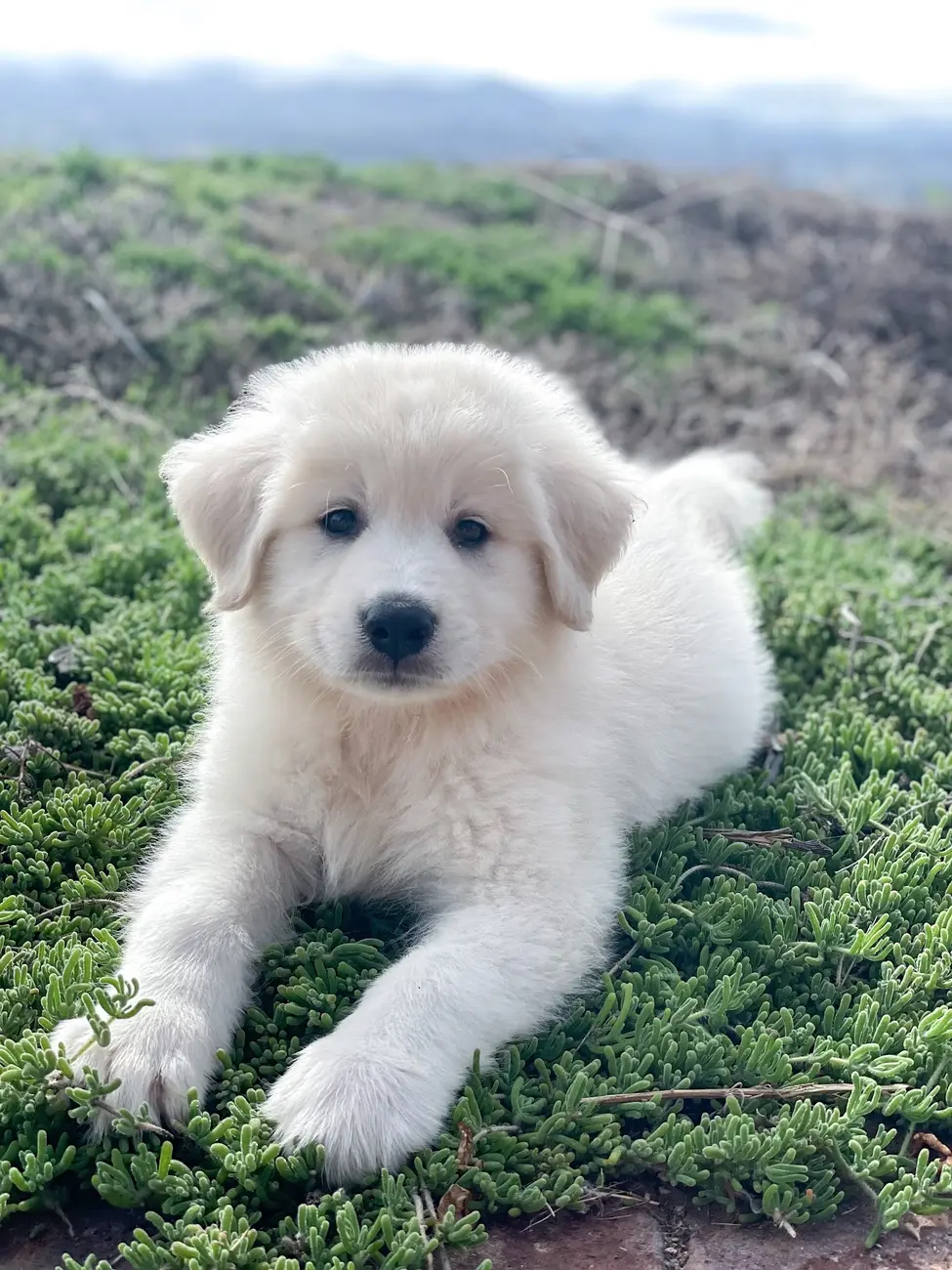
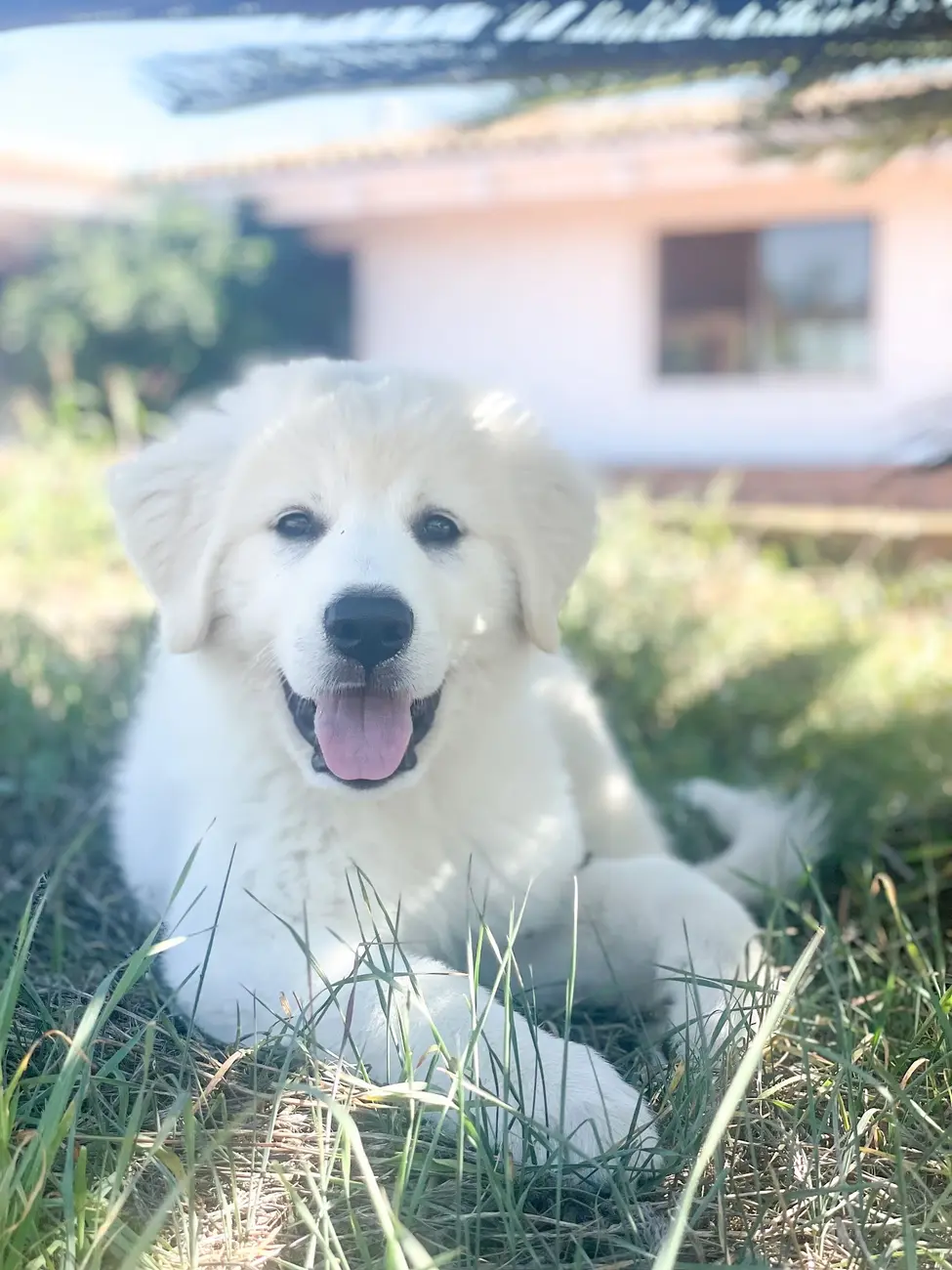
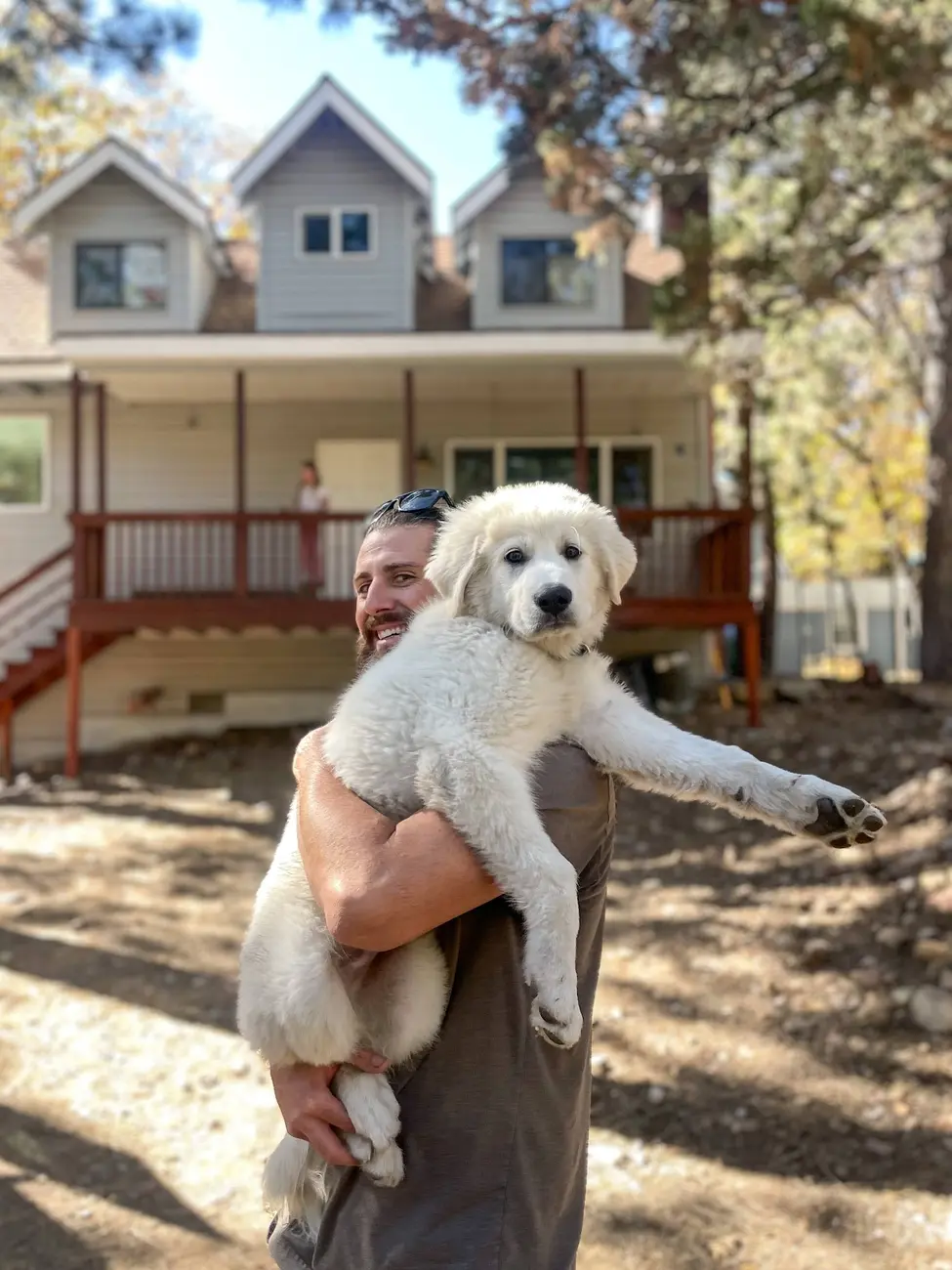
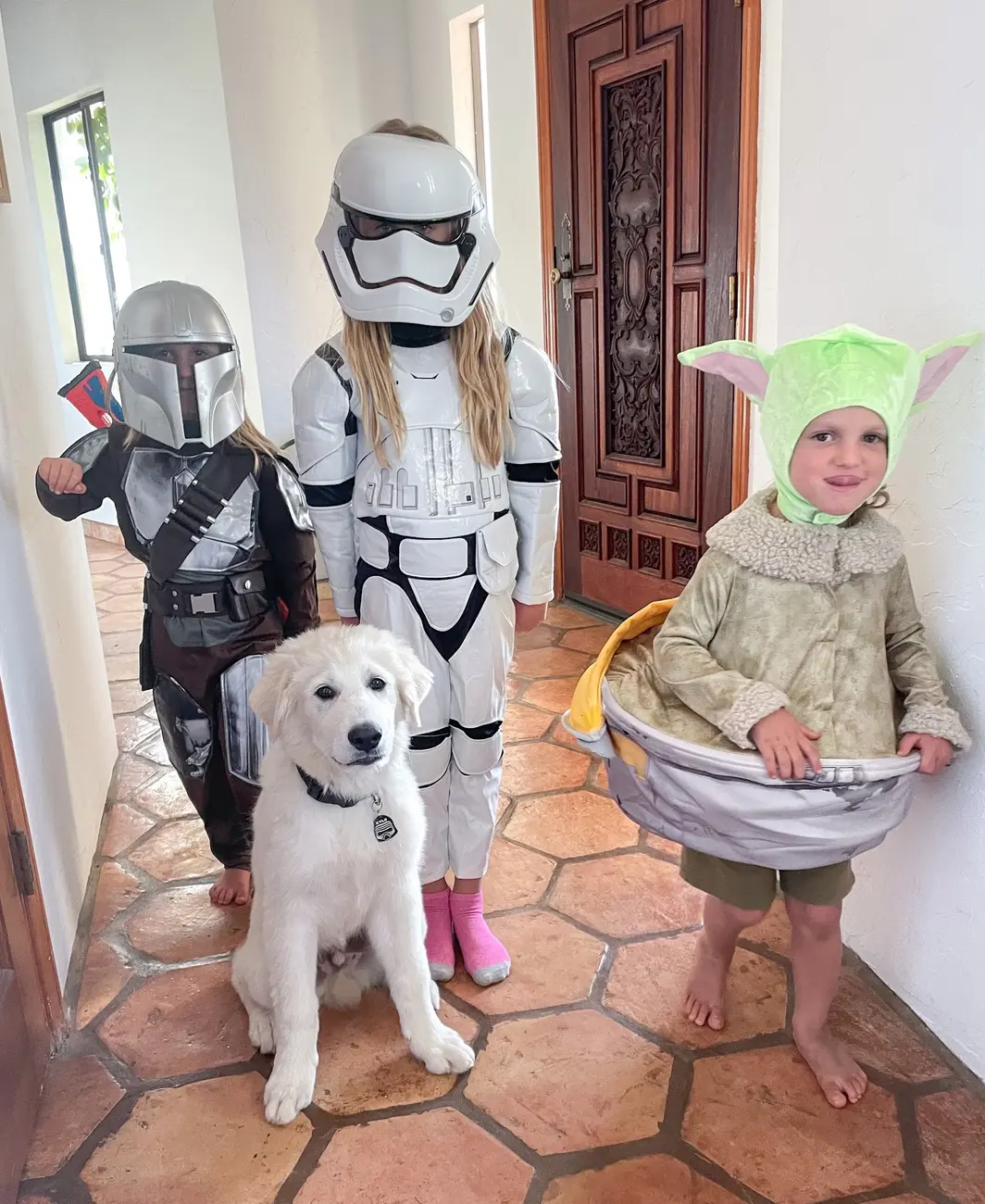
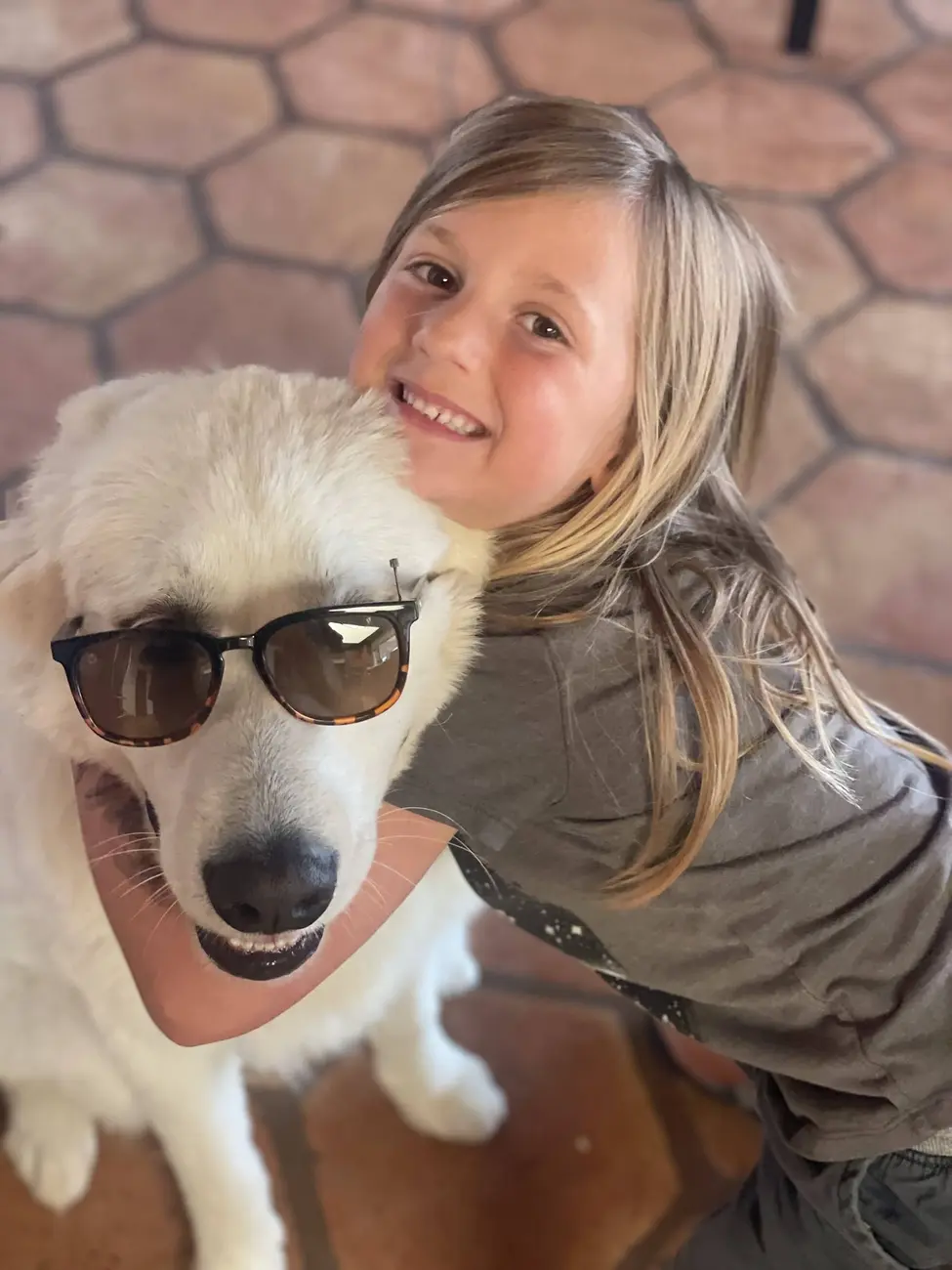
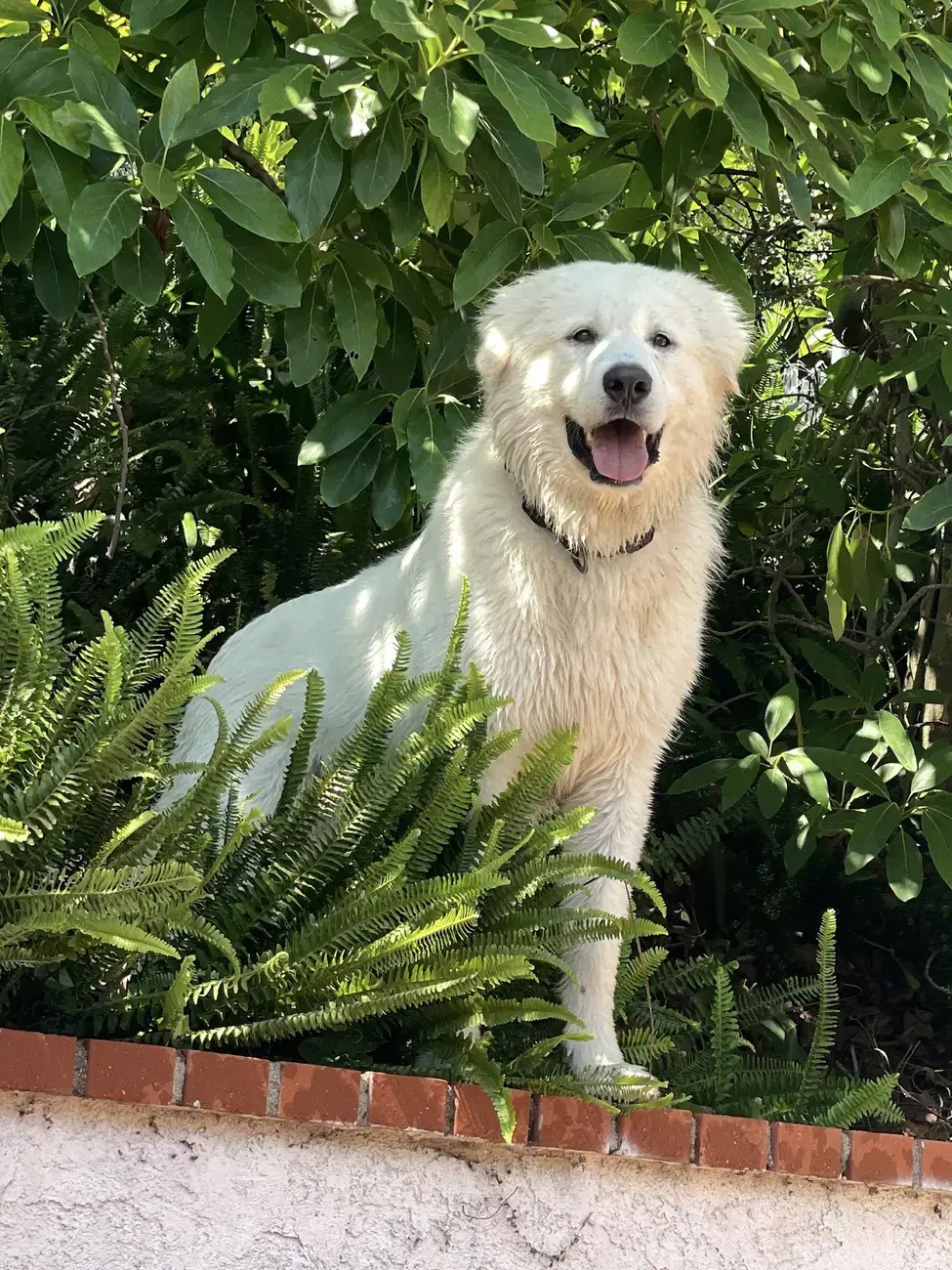
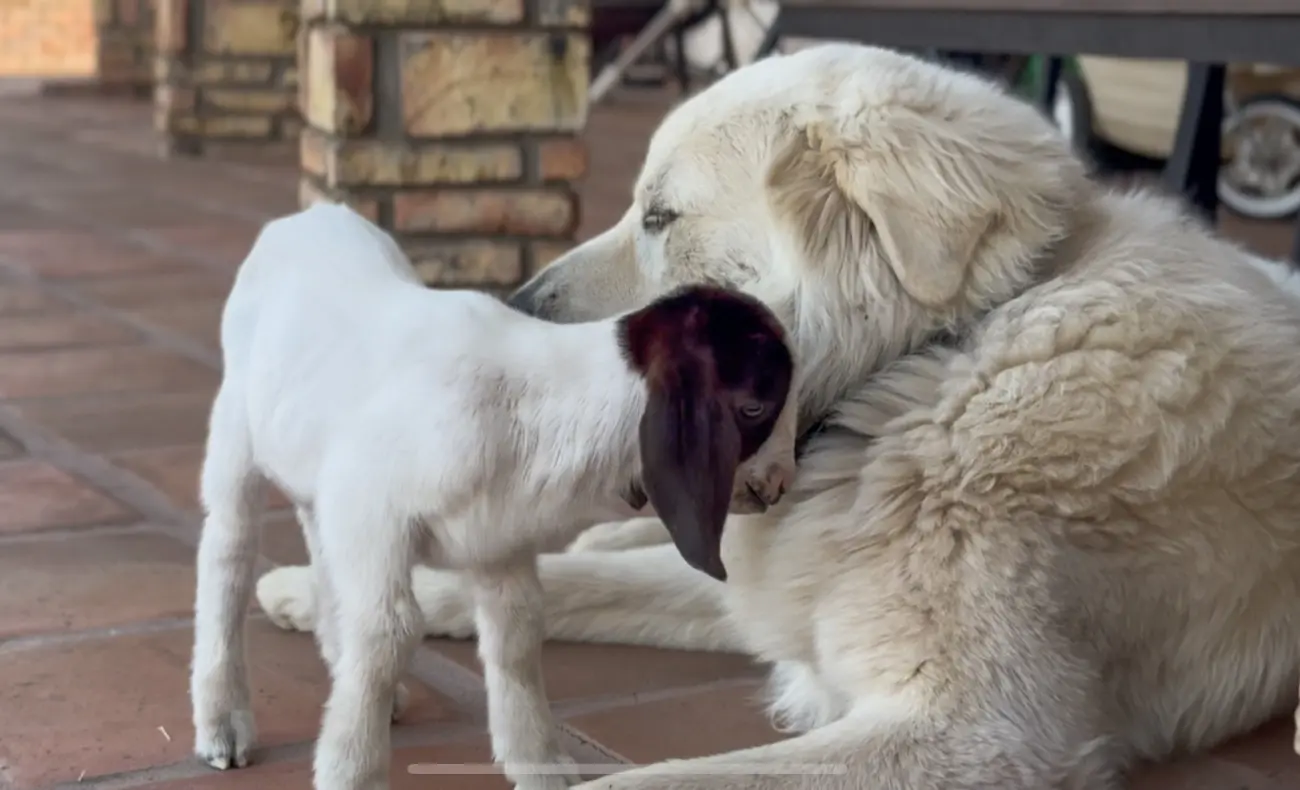
He is three now, and he watches over this ranch the way Trooper was always meant to: the animals, the children, and the quiet edges of the property where the light turns gold at the end of the day. We never went looking for a dog to fill the space Trooper left, because that space is still his. But there is grace in the way a stranger’s kindness met our grief, and in knowing that the watch Trooper began is being kept.
Our soil. Our animals. Our neighbors. Our children.
For Trooper.