

Grow 101 · Creation Stewardship
Watering and Irrigation in a Dry Climate
In a dry climate every drop counts. The real reservoir is not the tank or the emitter, it is the soil. Healthy, living ground catches the rain that falls and holds it for the dry months ahead.
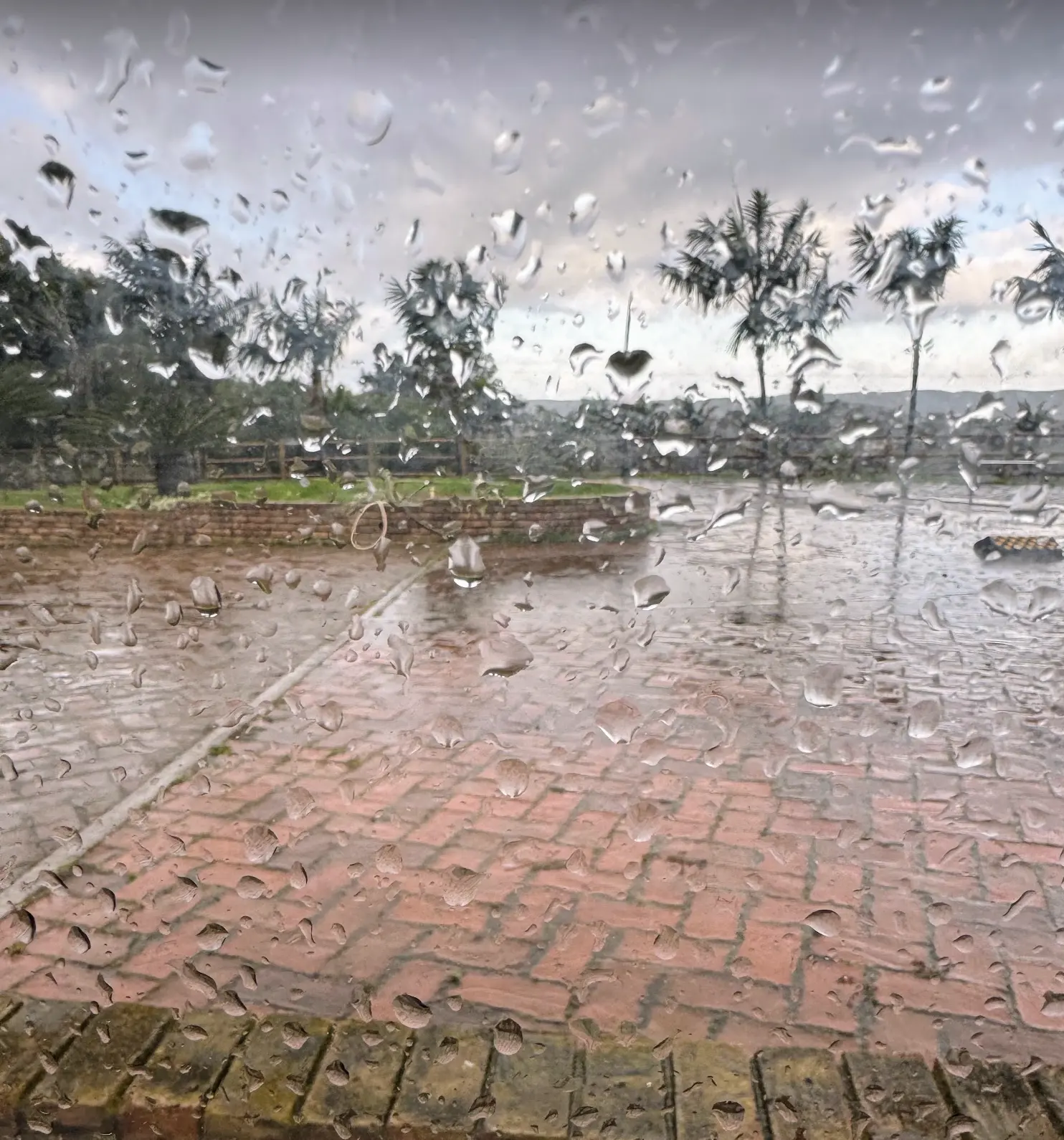
The soil is the reservoir
Before we think about emitters and schedules, we think about the ground itself. Living soil, rich in organic matter, acts like a sponge. It catches the rain that falls, pulls it below the surface, and holds it there instead of shedding it downhill. Every point of organic matter we add lets an acre store thousands more gallons, so a winter storm is still working for us in May.
Feed the sponge
Compost, mulch, cover crops, and low disturbance are our real irrigation strategy. They build the structure that captures and retains every drop, keep the surface cool so water does not evaporate off the top, and do more for our water bill than any hardware. Bare, compacted ground sheds rain; covered, living ground drinks it in.
Deep and less often
Once the soil can hold water, we water to fill it, not just to wet it. Frequent shallow watering grows shallow roots that panic in a heat wave. Longer, less frequent cycles push roots down into the reservoir below, where the soil stays cool and damp.
Deliver it gently
Drip and inline emitters put water at the root zone instead of the air, so the soil can do its work. Less evaporation, fewer weeds between rows, and far less waste than overhead spray on a windy hilltop. Water early, check emitters monthly, and group plants by thirst so nothing is watered on someone else’s schedule.
Creation Stewardship
Water here is borrowed, not owned. We would rather steward it than spend it.