Before It Was Tradewinds
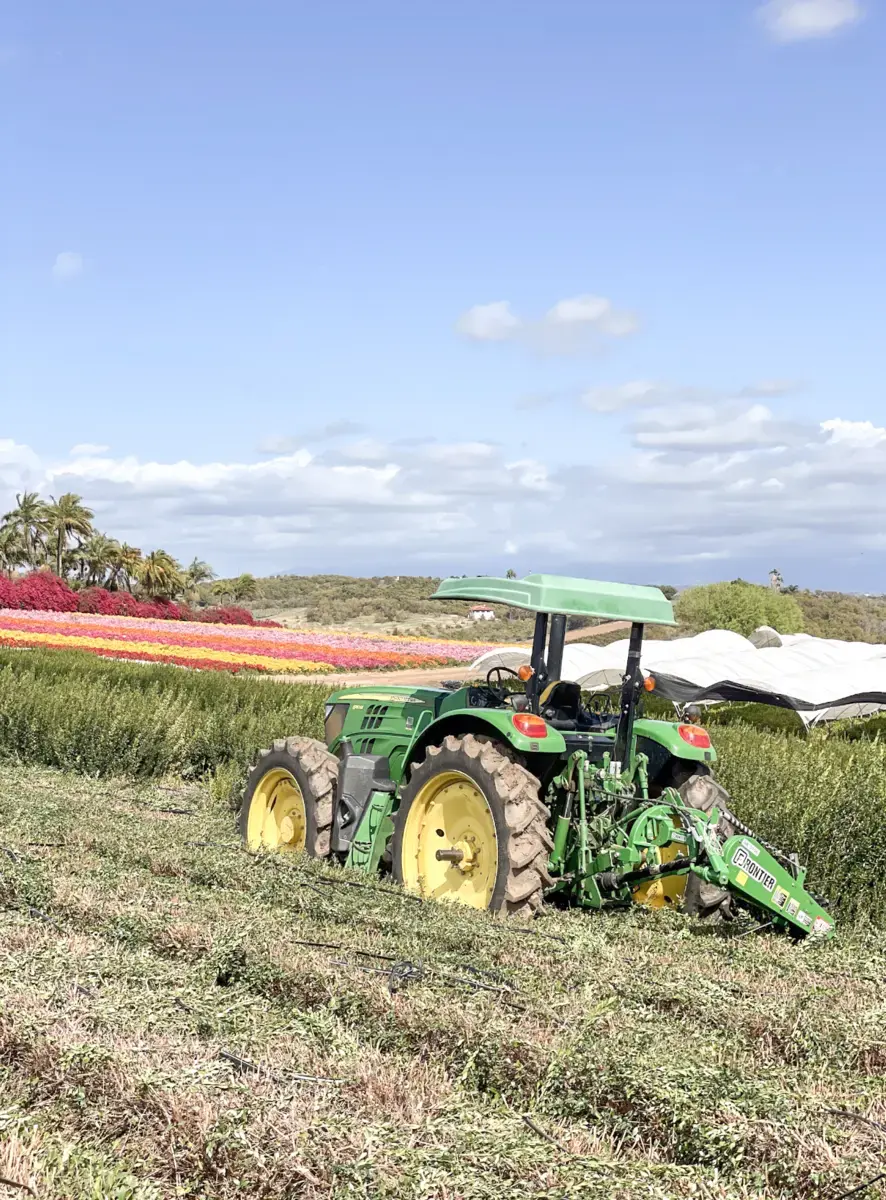
For more than 50 years, this land was part of a family-run flower farm, one piece of the agricultural tradition that has shaped Oceanside and this corner of North County for generations.
As the original owners grew older, they eventually stepped away from farming the property themselves and began leasing the fields to neighboring commercial flower growers.
Honestly, none of that history is why we came. We were living in a tract-house neighborhood and wanted more room for our kids to run around. This was a good property with space, so we bought it. We had never heard of regenerative agriculture and had no idea what we were getting ourselves into.
When we arrived in 2022, the fields were still being farmed. What we didn’t understand yet was that we hadn’t just bought a house with a big yard. We’d stepped into a 50-year agricultural story that was still going, and we were now the ones responsible for where it went next.
Then a friend changed the trajectory. He came to visit, looked around the property, and said it reminded him of The Biggest Little Farm, a documentary on Amazon. We watched it a few days later and were captivated. Not long after, we found the work of Joel Salatin, and we’ve been immersed in regenerative agriculture, and in Oceanside’s agritourism vision, ever since.
The Old Wagon
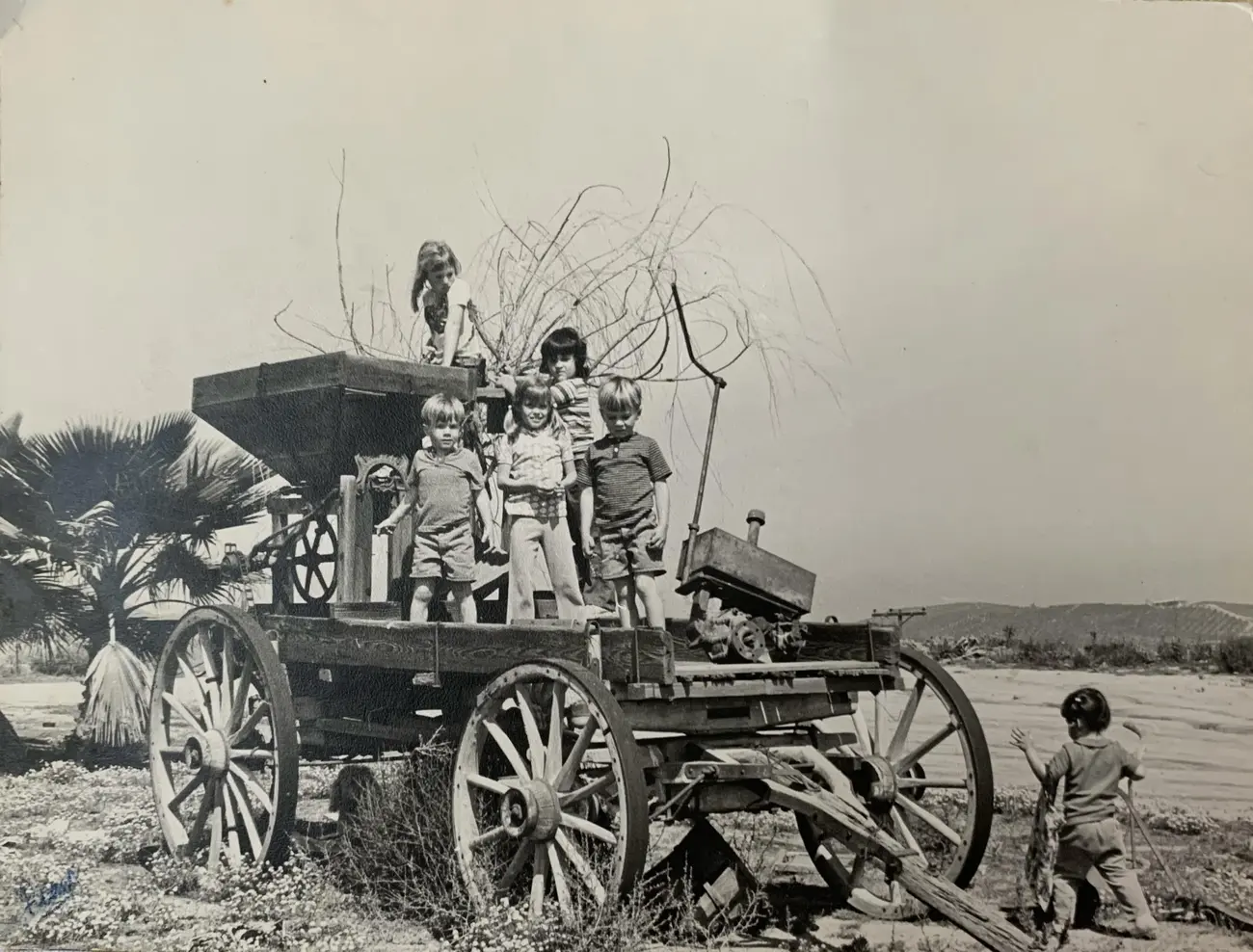
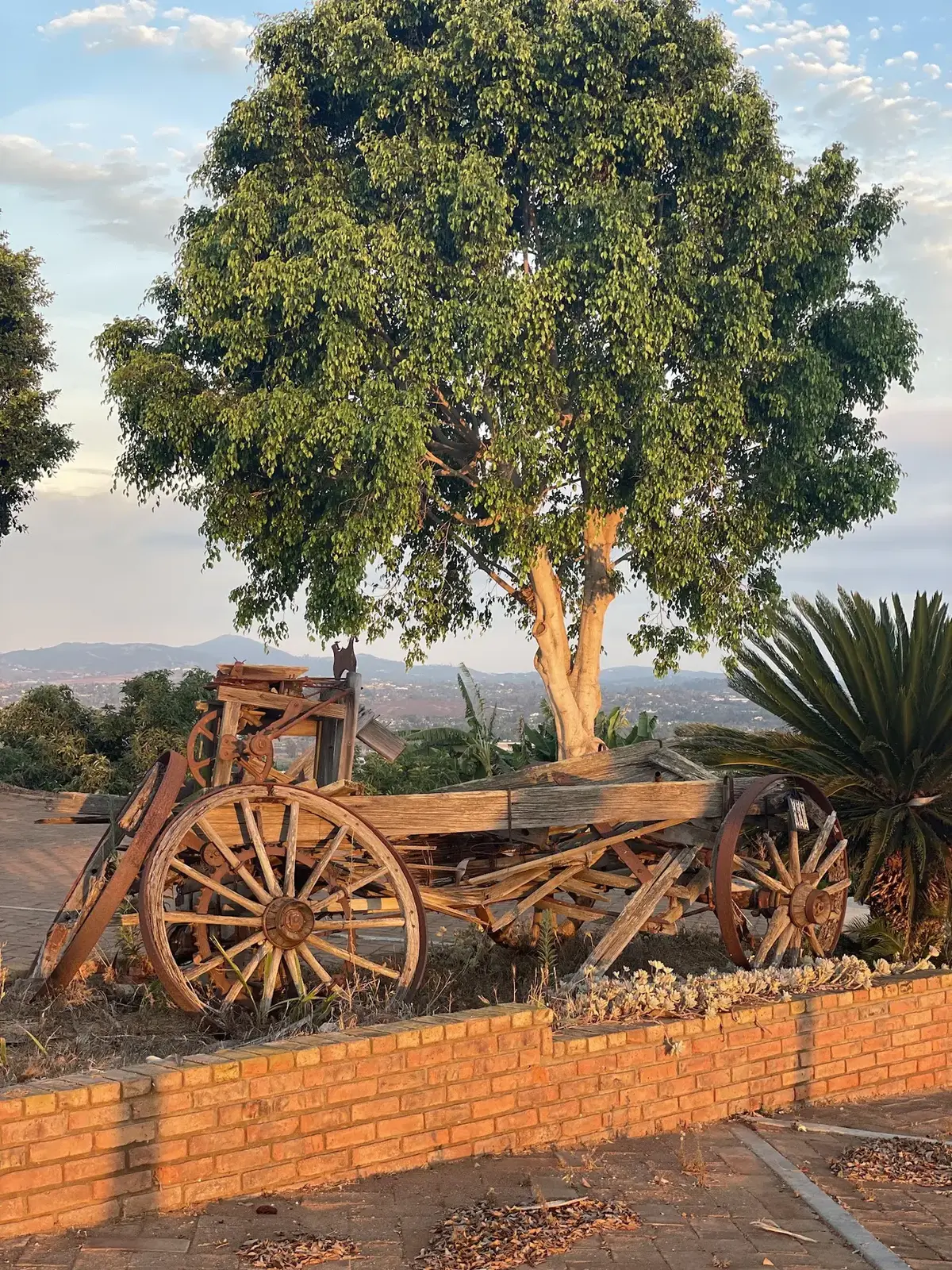
A weathered farm wagon sits at the edge of our property, part monument, part reminder. It is more than 200 years old.
Not long ago, a neighbor found a photo of herself and her siblings from the early 1970s, climbing all over that same wagon when they were kids. Same wagon, a different set of children, half a century apart.
It is the kind of thing that makes you feel less like an owner and more like a caretaker, holding a piece of this place for whoever comes next.
A New Chapter for the Land
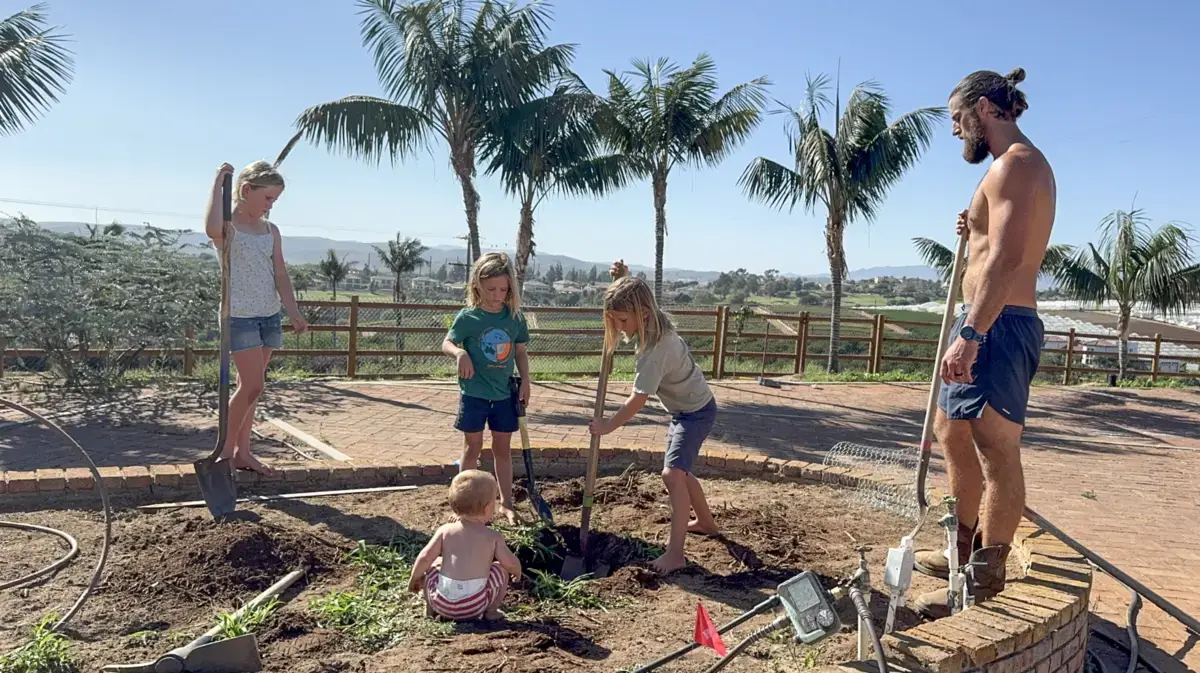
Taking over the property gave us an opportunity to ask what its next chapter could look like.
For decades, these acres had primarily served one purpose: commercial flower production.
We’re beginning to diversify them.
We’re planting fruit trees and perennial crops. Growing seasonal food and flowers. Raising animals. Building healthier soil. Creating habitat for pollinators and beneficial insects. And paying attention to the natural systems already at work around us.
Some projects begin with a carefully researched plan.
Others begin because someone says, “What if we planted this over there?”
That’s part of the fun.
We’re not trying to erase what came before us. Quite the opposite.
We want to honor the fact that this has been working agricultural land for decades while finding a way for two small acres to remain productive, diverse and connected to the family who now calls them home.
Built for Growth and Gathering
The house itself tells you what this place was always meant for.
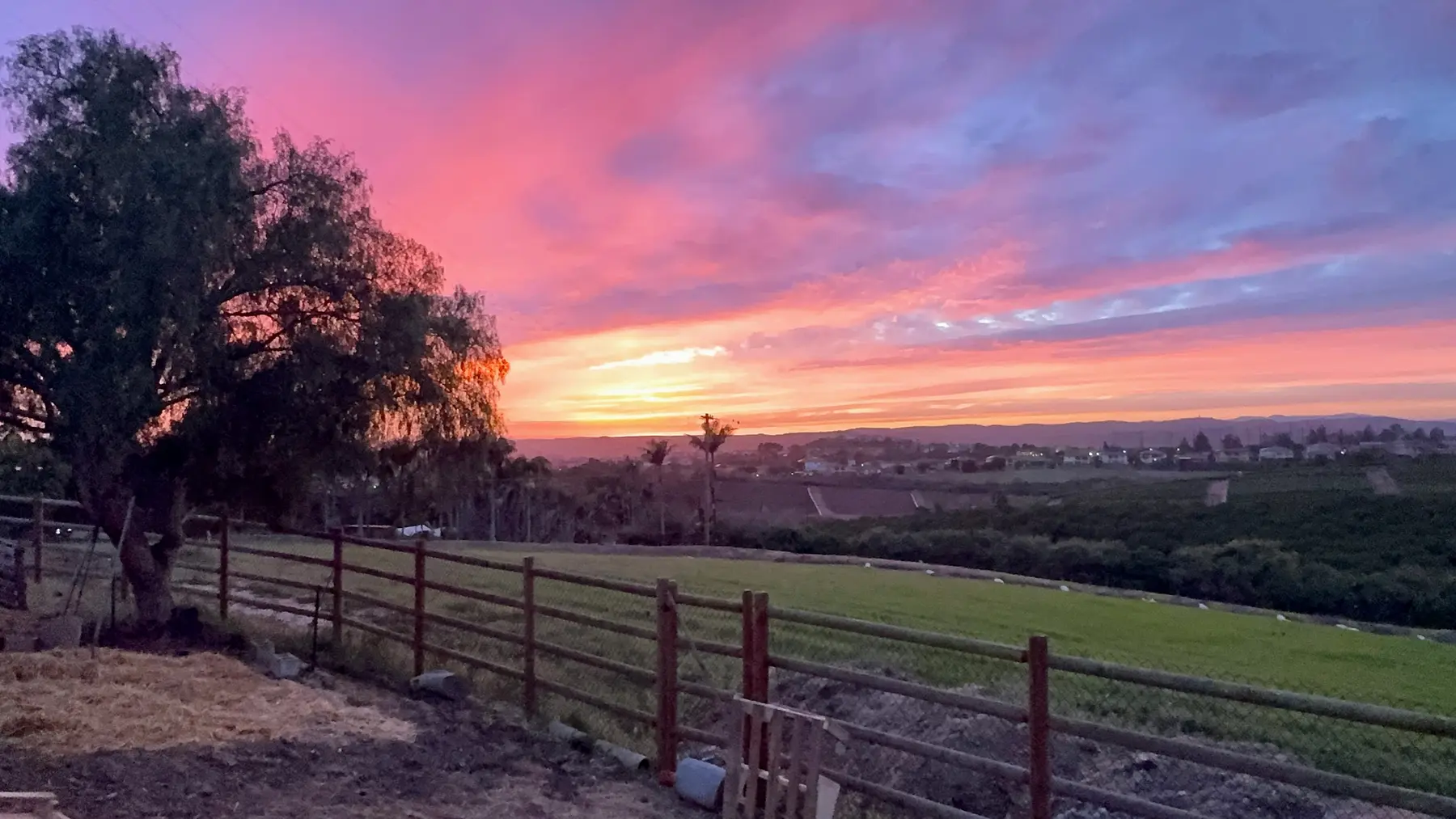
It is a traditional Spanish ranch, and the family who built it did not order it from a catalog. They knew and farmed this land for decades first, learned how the light moved across it and where the wind came through, and only then built. The home was made to catch the light and the airflow like no place we have ever lived. With nearly 360-degree views, we watch the sun and the moon rise and set from every room.
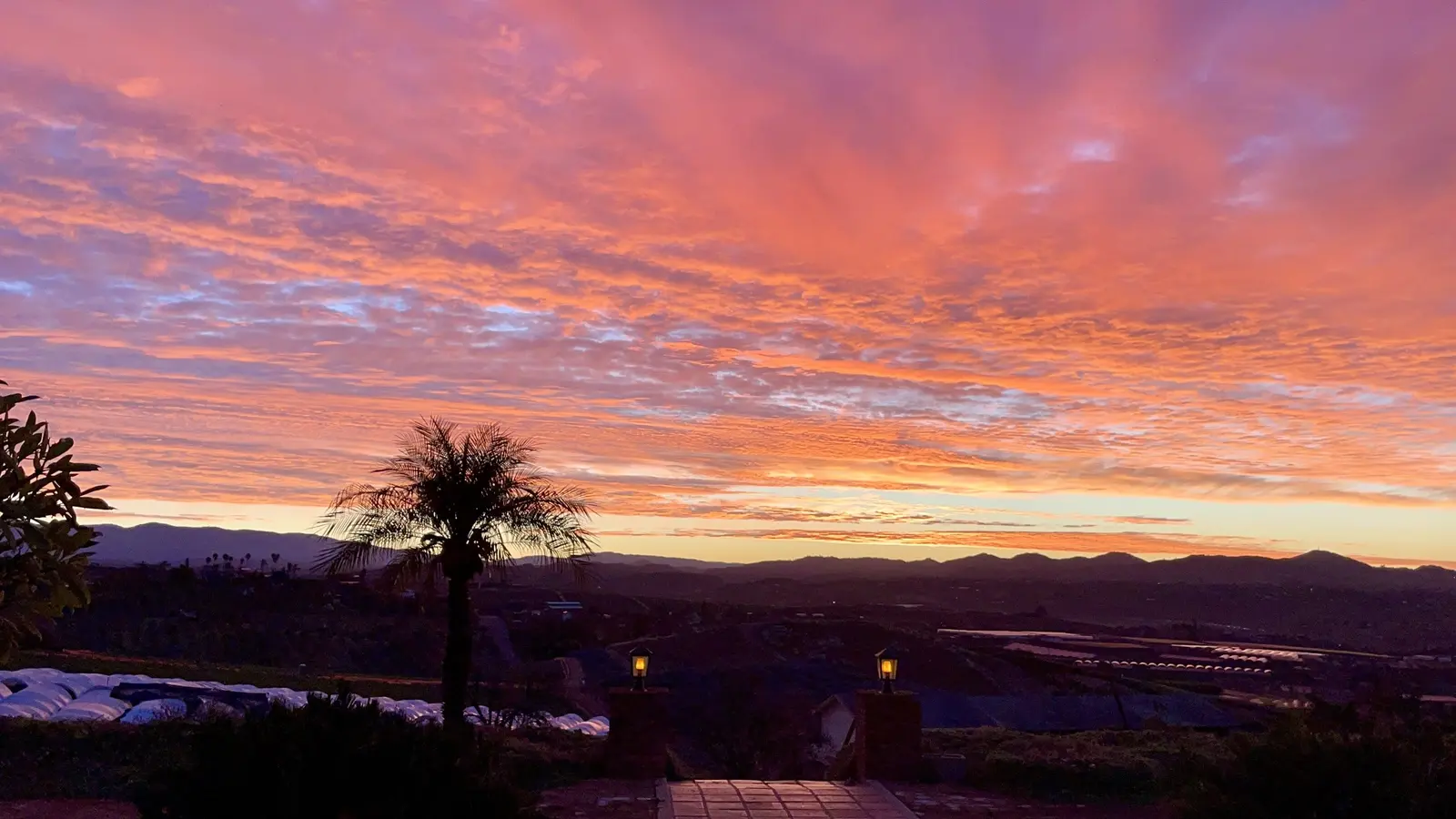
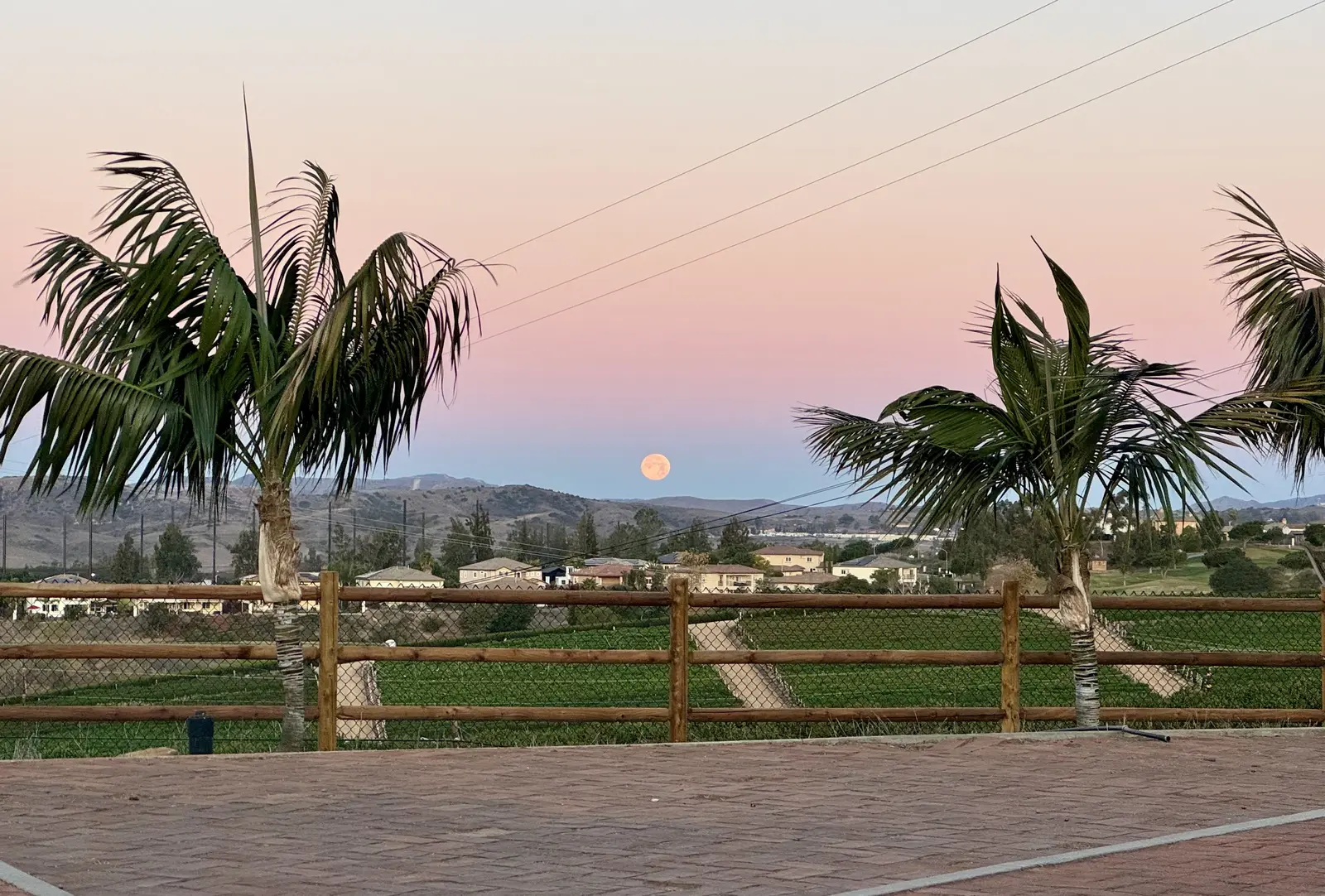
Around the house sits close to an acre of pavers. There are places set aside for growing, for sitting, and for gathering, with parking enough for a crowd. It was laid out by people who expected the place to be full. Set into the courtyard is a sundial, aligned so the sunset tracks across the front arch with the seasons, southwest at one end of the year and northwest at the other.
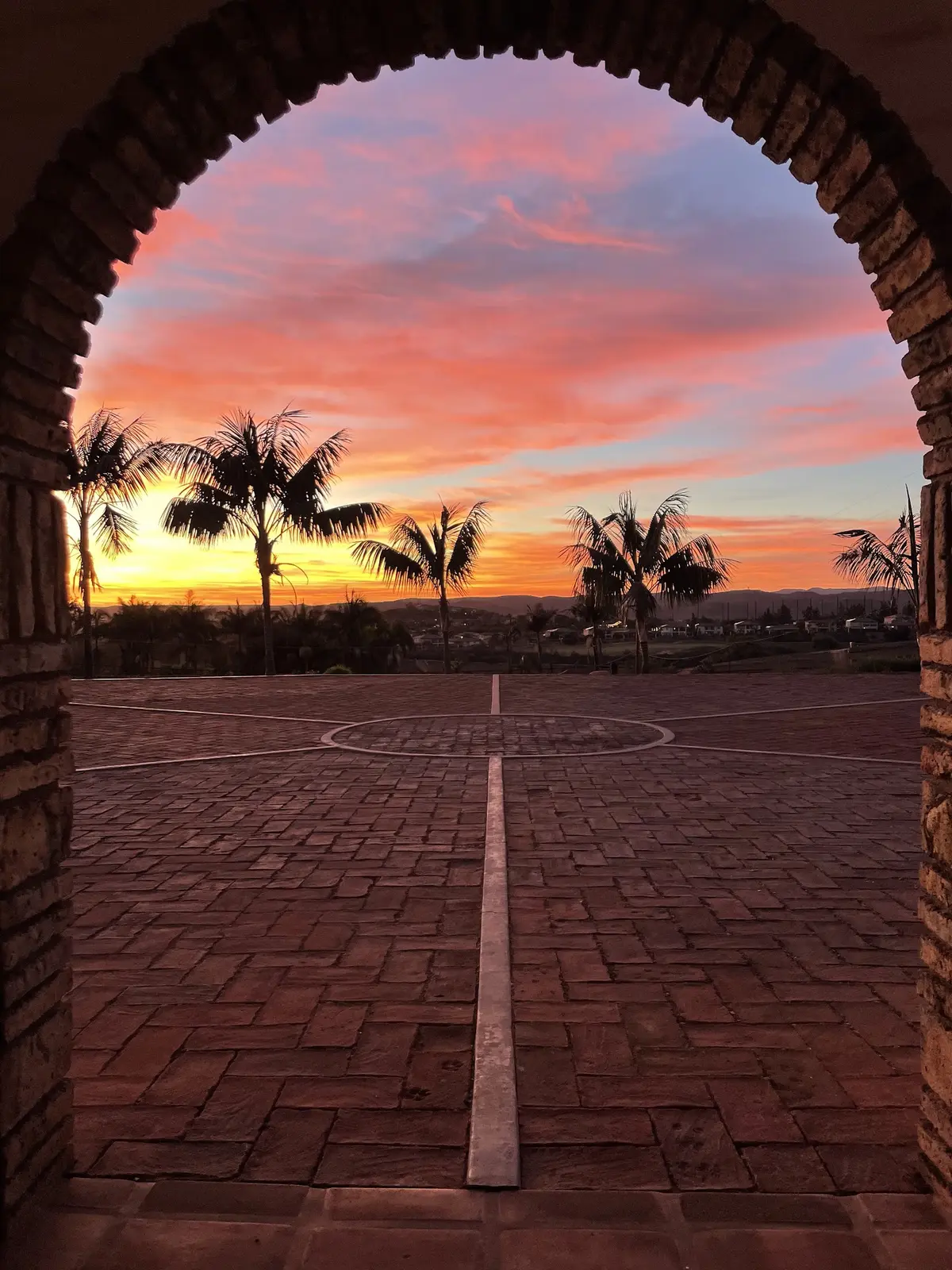
The family who built it told us about the gatherings they hosted here, whole goats and a pig cooked low in the in-ground barbecue, tables of friends spread across the property. Every week they opened the family room, with its big brick fireplace, for Bible study.
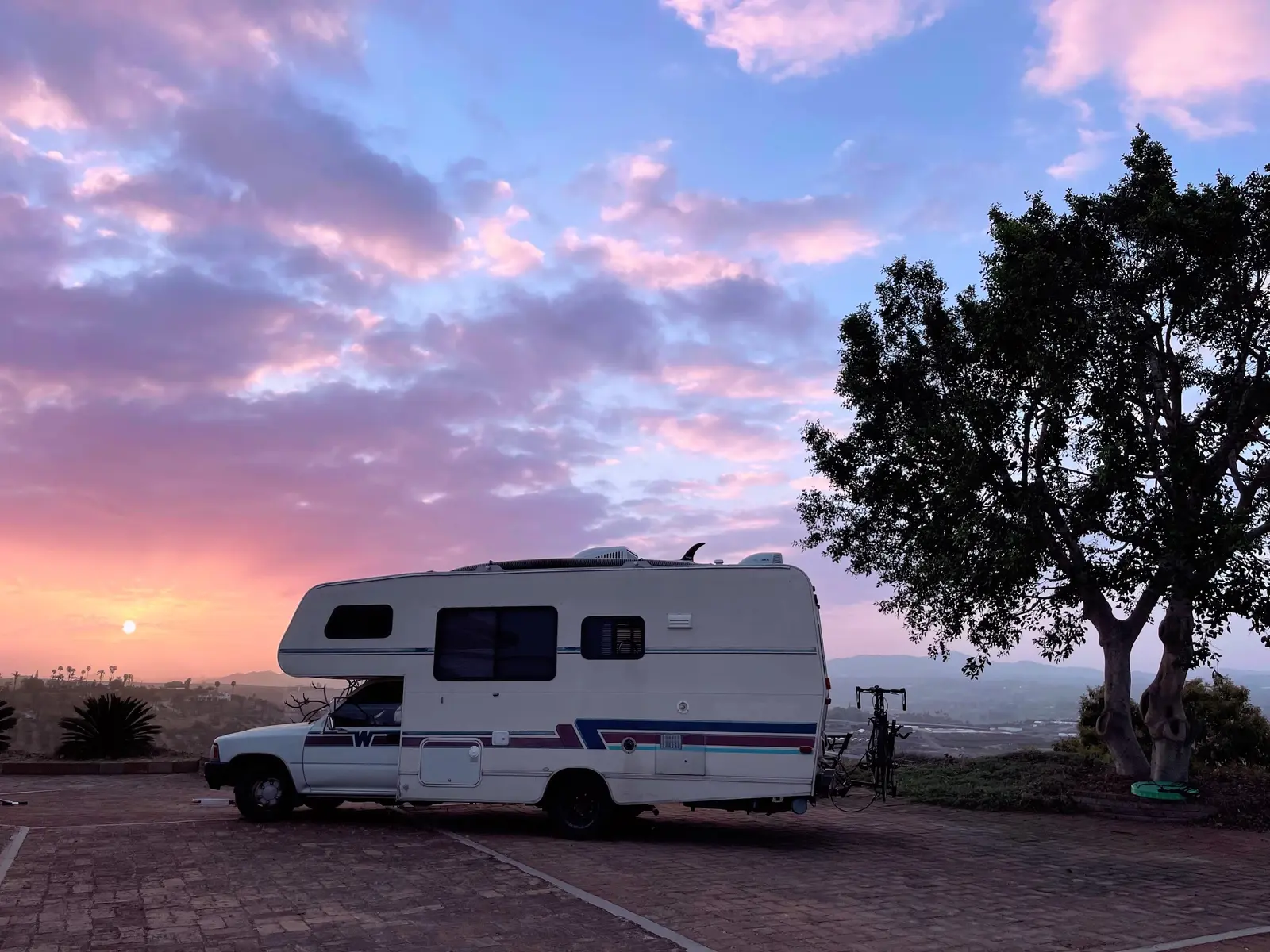
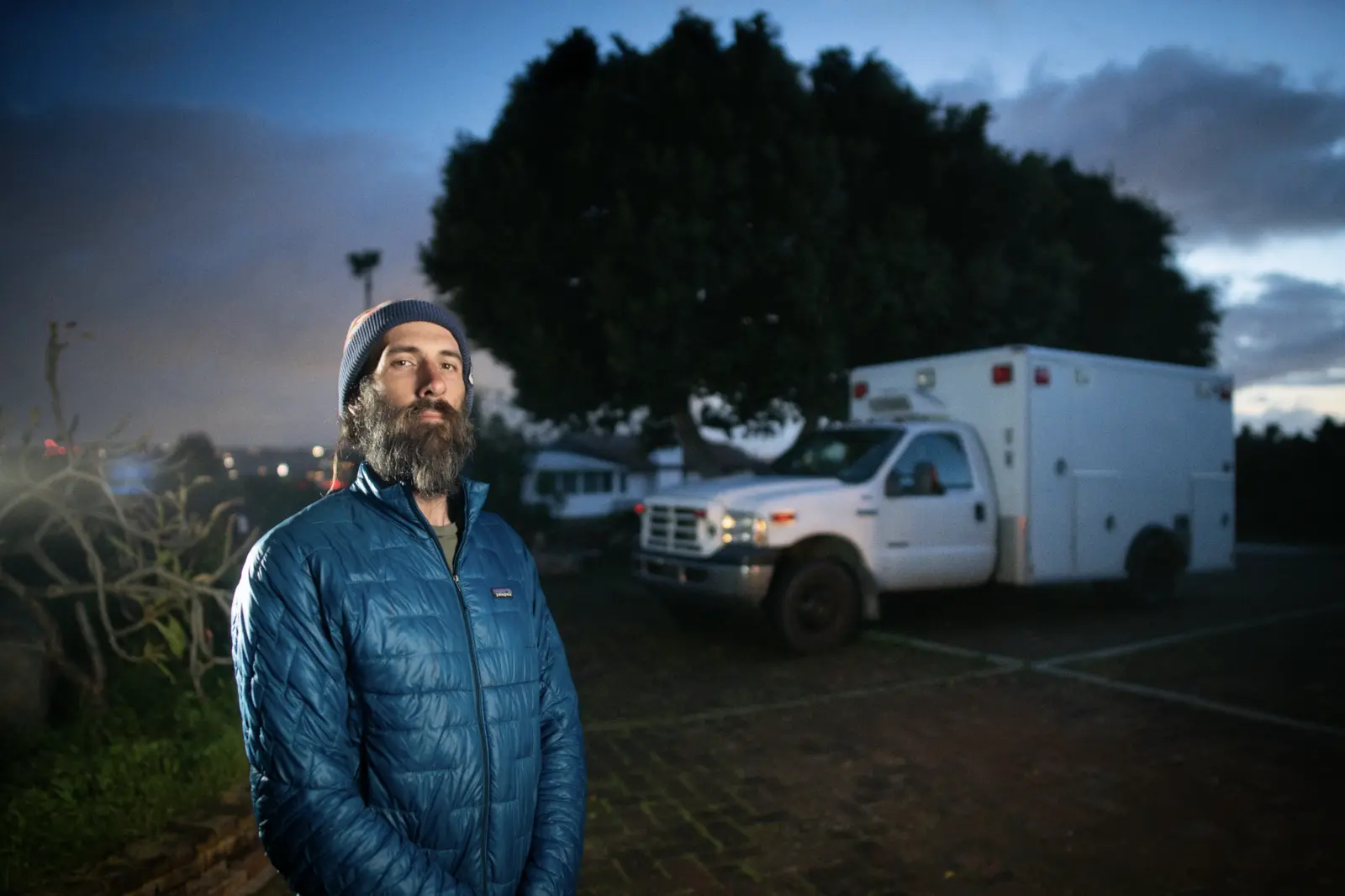
There is a spot along the courtyard we call Cook's Corner. One of Steven's oldest friends parked his motorhome there and stayed with us for a year, the season before his wedding and his move to Hawaii. My brother took the same spot next, living in his RV for a year before his own move to the east coast.